


 English
 Español
 عربى
عربىContent
- 1 PP, PET, PE: How Plastic Cup Materials Compare on Heat
- 2 How to Tell If Your Plastic Cup Can Go in the Microwave
- 3 Situations Where You Should Avoid Microwaving a Plastic Cup
- 4 Choosing the Right Container for Different Food Service Scenarios
- 5 Common Plastic Cup and Container Lineup
- 6 Practical Tips for Buying a Heat-Resistant Plastic Cup
- 7 Frequently Asked Questions
PP, PET, PE: How Plastic Cup Materials Compare on Heat
Disposable plastic cups on the market fall into three common material groups, and their heat behavior differs sharply. A PP cup is produced through injection moulding or thermoforming, giving it a stable molecular structure and strong resistance to acids and alkalis — which is exactly why most Injection moulded cup lines on the market default to polypropylene. PET cup products are known for their glass-like clarity, letting the color of a drink show through, and they are lightweight and shatter-resistant, but their softening point is comparatively low, so prolonged high-heat exposure can cause warping. PE resin is soft, tough, non-toxic, and odorless, and is widely used for disposable cold-drink cups; it performs reliably at room temperature but is not suited to high-heat use.
| Material | Typical Use | Heat Performance | Microwave Recommended |
| PP (Polypropylene) | Hot drink cups, PP bowl, takeaway containers | Good heat resistance, stable for short heating cycles | Yes, short cycles only if labeled microwave safe |
| PET | Cold drink cups, juice cups, clear display cups | Limited heat tolerance, softens under heat | Not recommended |
| PE | Disposable cold cups, kids' cups | Stable at room temperature, poor heat resistance | Not recommended |
| Low-temperature resistant PET cup | Cold chain shipping, frozen dessert cups | Engineered for cold conditions, not designed for heat | Not recommended (opposite purpose: low-temperature use) |
How to Tell If Your Plastic Cup Can Go in the Microwave
Without lab equipment, there are still a few practical ways shoppers can check whether a plastic cup is microwave appropriate.
- Look for a microwave-safe icon on the base or sidewall, usually shown as a box with wavy lines.
- Check the resin identification triangle: a number 5 typically points to PP, while a number 1 usually indicates PET.
- Feel the wall thickness — a PP cup tends to feel slightly thicker and more opaque, while a PET cup is thinner and glassier.
- Read the packaging or spec sheet; a factory-made Injection moulded cup usually states its heat tolerance range clearly.
Situations Where You Should Avoid Microwaving a Plastic Cup
Even heat-tolerant PP cups are not suitable for every microwave scenario. Watch out for the following cases:
- Heating for too long or at too high a power setting, beyond what the cup was designed for, can cause softening, deformation, or odor release.
- Cups printed with large ink graphics or fitted with metallic foil labels carry a sparking risk in the microwave — one reason many Injection molded cup with in-mold labeling products avoid metallic inks during design.
- Foods with high fat content can reach local temperatures well above the cup's heat tolerance.
- Unlabeled, low-cost cups of unknown origin cannot be confirmed as food-grade material.
Practical tip: If you regularly reheat drinks or soup, choose a PP cup or PP bowl labeled microwave safe, keep heating cycles under one to two minutes, and leave a small gap at the lid to release pressure instead of sealing the cup completely.
Choosing the Right Container for Different Food Service Scenarios
Beyond standard drink cups, foodservice operations rely on several functional containers, and understanding their heat profile helps with smarter selection. A PP Hot pot container is built for hot pot takeaway, holding high-temperature broth without warping, while a PE Hot pot container suits short-term storage of room-temperature or lightly warmed ingredients at a lower cost. For takeout meals that need to stay sealed, a suction plastic meal box uses vacuum-forming so the lid fits tightly against the body, reducing leaks during transport. Meanwhile, an Injection molded box with in-mold labeling embeds the graphic directly during the moulding process, keeping the finish clean while avoiding the peeling risk of separately applied labels.
Common Plastic Cup and Container Lineup
A look at the plastic cups and related containers commonly produced by food packaging factories, covering different materials and processes for hot drinks, cold drinks, and takeaway use.
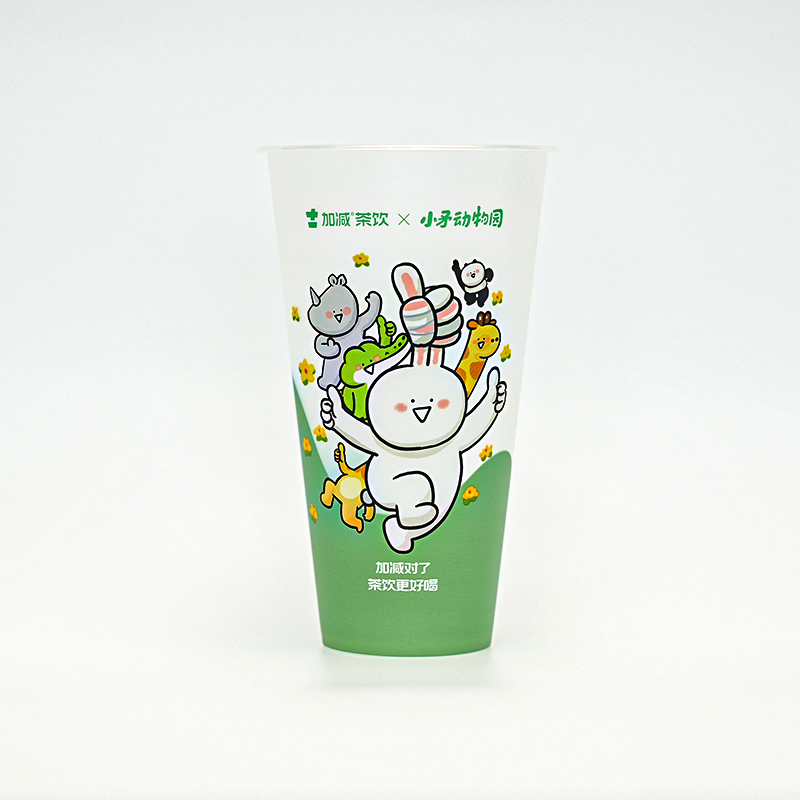
PP Injection Cup
Injection moulded cup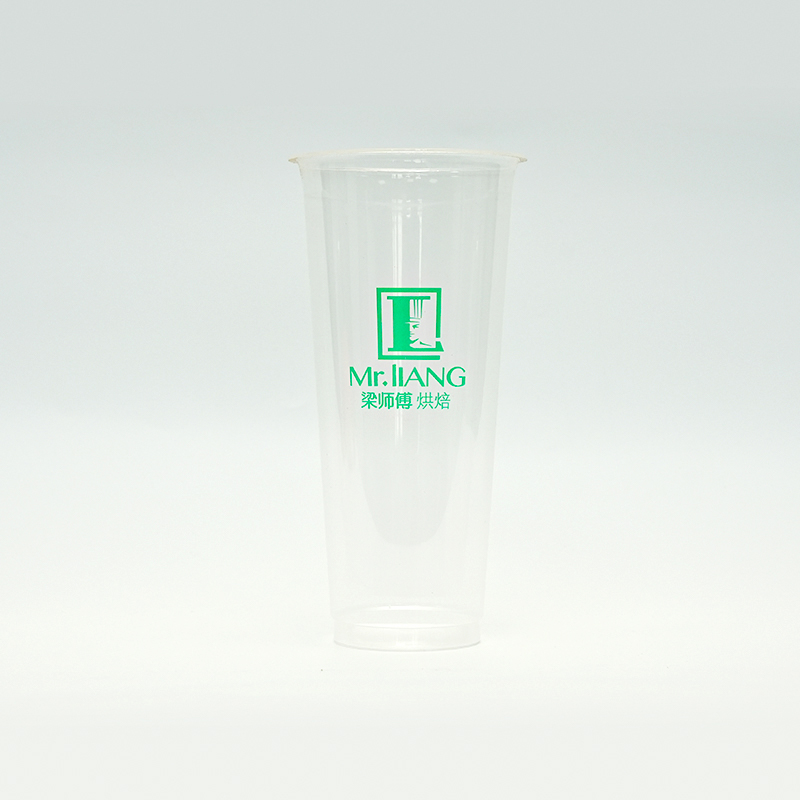
PP Thermoforming Cup
PP cup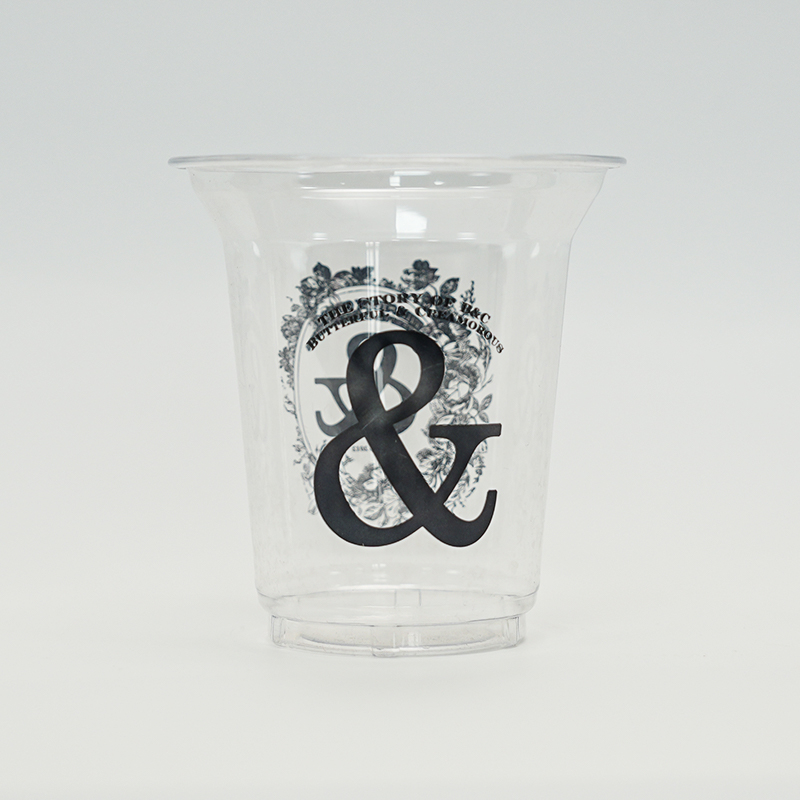
Low-Temp Resistant PET Cup
Low-temperature resistant PET cup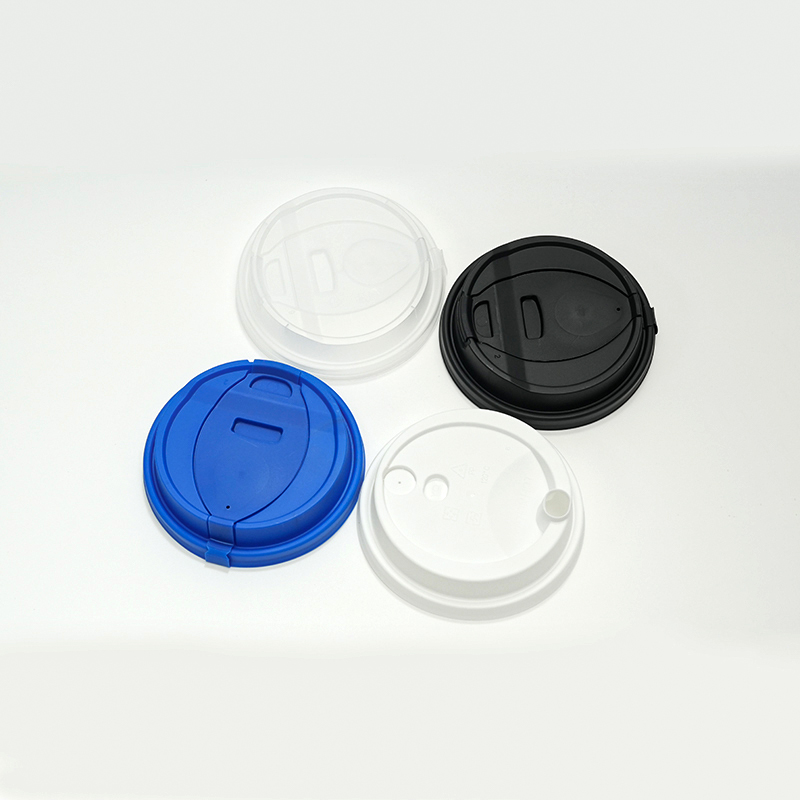
PP One-Piece Lid
Injection moulded lid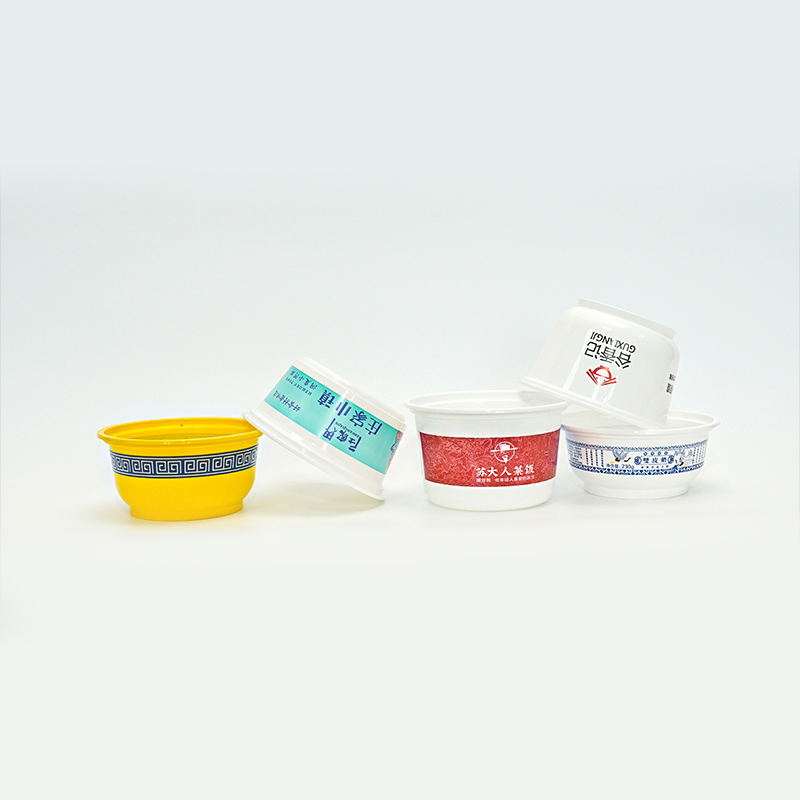
Plastic Takeaway Bowl
PP bowlPractical Tips for Buying a Heat-Resistant Plastic Cup
Whether you're a buyer sourcing in bulk or a regular consumer, keep these points in mind when shopping for a microwave-friendly plastic cup:
- Choose products clearly labeled as PP material with a microwave-safe icon.
- Check that the cup wall is evenly molded, since uneven thickness can cause uneven heating.
- If a lid is needed, pair the cup with a heat-resistant PP cup lid rather than a standard PET cup lid, so the lid doesn't soften first.
- For bulk purchasing, ask suppliers for food-contact material test reports to confirm compliance with food safety standards.
Frequently Asked Questions
Can a microwave-safe plastic cup be reheated repeatedly? Repeated high-heat cycles are not recommended for any single-use plastic cup, even PP, since repeated heating accelerates material aging and can affect safety.
Is a PET cup completely off-limits for hot drinks? A PET cup is best suited for room-temperature or cold beverages; brief contact with warm liquid is generally fine, but it should not go in the microwave or hold high-temperature liquid for long periods.
Do household and commercial takeaway cups follow different heat standards? Commercial-grade Plastic Cup products from reputable manufacturers typically undergo stricter food-grade testing with clearer heat-tolerance labeling, so checking the product spec sheet or packaging marks is the safest approach.




