


 English
 Español
 عربى
عربىContent
- 1 PLA Straws: Technical Breakthrough in Bio-Based Materials
- 2 Paper Straws: The Gap Between Environmental Ideal and Functional Reality
- 3 Comprehensive Comparison: PLA Straws vs. Paper Straws
- 4 Global Market Scale and Regional Growth Patterns
- 5 Supply Chain and Quality Certification Systems
- 6 Procurement Decision Framework: How to Choose the Right Eco-Friendly Straw
The global straws market is projected to reach $5.1 billion in 2026, growing to $9.5 billion by 2036 with a compound annual growth rate of 6.40%. Amid global bans on disposable plastic straws, PLA (polylactic acid) straws are rapidly replacing paper straws as the preferred alternative in the food service industry, thanks to their highly similar appearance, texture, and user experience compared to traditional plastic straws, combined with rapid natural degradation properties. While paper straws are environmentally friendly, their inherent deficiencies in suction performance and moisture resistance make them unsuitable for high-throughput food service scenarios.
The U.S. Executive Order 14208 issued in April 2025 explicitly prohibits federal procurement of paper drinking tubes, citing insufficient structural integrity and cost premiums as high as 400% over traditional plastics. This policy pivot directly channels procurement demand toward functional bioplastics, creating a clear policy dividend window for PLA straws. Globally, 60% of millennial consumers are willing to pay a premium for eco-friendly straws, provided the products guarantee basic functional performance.
PLA Straws: Technical Breakthrough in Bio-Based Materials
PLA straws use corn starch, sugarcane, and other renewable resources as raw materials, converting them into polylactic acid through biological fermentation processes, then forming them through specialized manufacturing techniques. This production pathway fundamentally transforms the raw material structure of the straw industry, shifting from fossil fuel-dependent plastic production to agricultural-based biopolymer systems.
Performance Advantages and User Experience
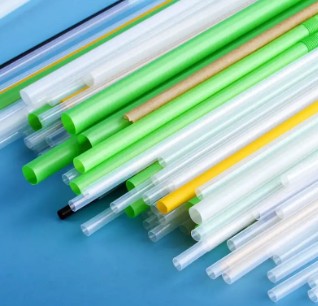
PLA straws maintain high consistency with traditional plastic straws across key performance indicators: transparency and coloration closely resemble polypropylene straws; wall smoothness and diameter precision meet standard suction requirements; structural stability in cold beverage environments lasts 2-4 hours. These characteristics make them ideal for high-turnover scenarios such as fast-food chains, cafes, and airline catering. Compared to paper straws, PLA straws do not experience wall softening, delamination, or tip collapse caused by liquid immersion.
Degradation Characteristics and Environmental Benefits
PLA materials can complete degradation within 90-180 days under industrial composting conditions, with natural soil degradation cycles of approximately 6-24 months—far below the centuries-long degradation cycle of traditional plastic straws. Globally, approximately 2,000 tons of plastic straw waste enter the oceans annually, accounting for about 4% of total plastic waste. The widespread adoption of PLA straws can directly reduce this pollution source while avoiding the high water and energy consumption issues associated with paper straw production.
Paper Straws: The Gap Between Environmental Ideal and Functional Reality
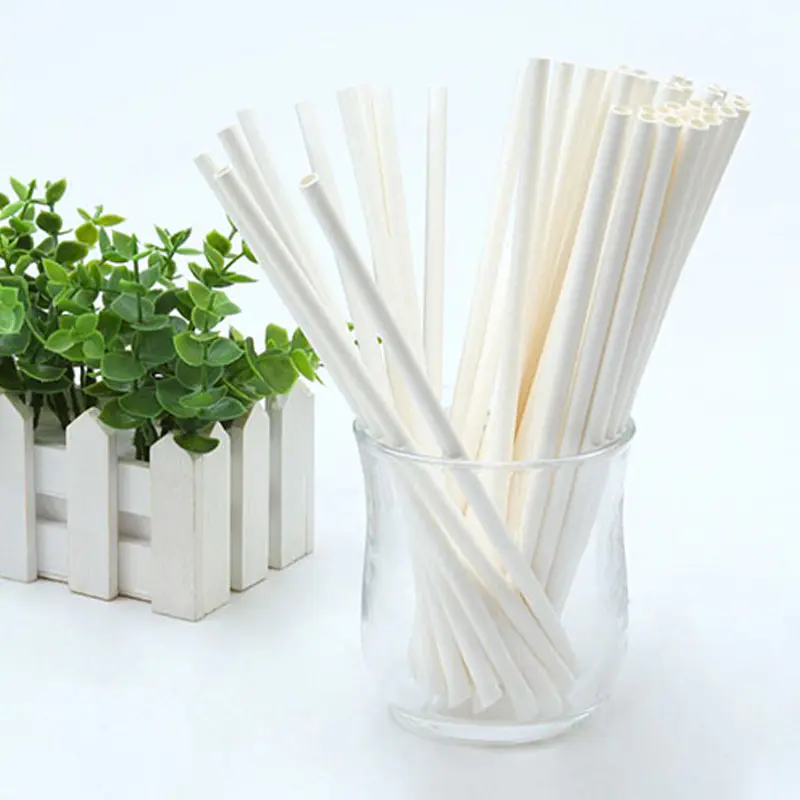
Paper straws are manufactured from virgin or recycled paper pulp through multi-layer winding and food-grade adhesive processes. Their production does not use harmful chemicals, and their product safety and environmental credentials are widely recognized. However, the functional deficiencies of paper straws in actual use are constraining their market penetration speed.
Specific Manifestations of Functional Shortcomings
The core deficiencies of paper straws concentrate in three dimensions: first, the capillary structure of paper fibers increases suction resistance by approximately 15-25% compared to plastic straws, affecting the drinking experience; second, wall softening, delamination, or even disintegration occurs within 10-30 minutes of liquid contact, failing to meet extended drinking needs; finally, high-temperature liquids (exceeding 60°C) accelerate structural failure of paper straws, limiting their application in hot beverage scenarios. These deficiencies are particularly pronounced in fast-paced food service environments, directly leading to consumer complaints and increased repurchase costs.
Policy Environment Reversal Signals
The issuance of U.S. Executive Order 14208 marks an important shift in policy direction. The order explicitly excludes paper drinking tubes from federal procurement lists, citing failure to meet structural integrity tests and cost premiums of 400% relative to traditional plastics. This decision does not negate environmental goals but emphasizes that alternative solutions must possess basic functional reliability. The policy pivot directly drives procurement attention toward engineered bioplastics such as PLA, creating policy space for PLA straws to replace paper straws.
Comprehensive Comparison: PLA Straws vs. Paper Straws
From the procurement decision perspective of food service operators, the two alternative solutions show significant differences across key indicators. The following comparison is based on actual usage scenarios and supply chain data:
| Comparison Dimension | PLA Straws | Paper Straws |
|---|---|---|
| Raw Material Source | Corn starch, sugarcane, and other renewable resources | Virgin wood pulp or recycled paper pulp |
| Appearance and Texture | Close to traditional plastic straws | Noticeable paper texture, rough feel |
| Cold Beverage Liquid Resistance | 2-4 hours | 10-30 minutes |
| Suction Resistance | Comparable to plastic straws | Increased by 15-25% |
| Hot Beverage Applicability | Tolerates beverages below 60°C | Rapid softening and failure above 60°C |
| Industrial Composting Degradation Cycle | 90-180 days | 30-60 days |
| Natural Degradation Cycle | 6-24 months | 2-6 months |
| Federal Procurement Compliance | Compliant with U.S. Executive Order 14208 | Explicitly prohibited |
| Applicable Scenarios | Fast-food chains, cafes, airline catering | Home daily use, short-term drinking, gift packaging |
Global Market Scale and Regional Growth Patterns
The global biodegradable straws market is expanding at a rapid 41.1% compound annual growth rate, far exceeding the overall straws market growth of 6.40%. This divergence indicates that eco-friendly alternatives are moving from the margins to the mainstream. The eco-friendly straws market grew from $12.3 billion in 2025 to $13.77 billion in 2026, representing a 12.0% annual growth rate.
Regional Market Growth Differences
Regional markets show differentiated characteristics in straw replacement transitions:
- Asia-Pacific (Fastest Growth): China leads with a 7.6% CAGR, followed closely by India at 7.3%. Rapid urbanization, fast-food chain expansion, and food delivery culture drive rigid demand for functional alternative straws in high-throughput food service scenarios
- North America (Policy-Driven): The U.S. develops at 7.0% growth, with capital shifting toward functional bioplastics and reusable systems after federal procurement standards banned inferior paper products. The U.S. consumes nearly 500 million plastic straws annually, creating massive replacement potential
- Europe (Regulation-First): The EU Single-Use Plastics Directive continues driving market transformation, with Germany and France leading in paper and wheat straw alternatives. The UK consumes 8.5 billion plastic straws annually, with strong replacement demand under policy pressure
Food Service Industry Procurement Shift
The food service sector accounts for 48.0% of the straws market share in 2026, serving as the core demand driver. Fast-food chains, cafes, and bars have the highest requirements for straw functional reliability—any straw failure leading to customer complaints directly translates into brand damage. This is precisely the core competitive advantage of PLA straws over paper straws: maintaining environmental credentials without sacrificing user experience.
Supply Chain and Quality Certification Systems
Supply chain compliance for straw products is becoming a key consideration in food service operators' procurement decisions. Both PLA and paper straws must pass strict food safety certifications, including QS National Industrial Product Production Licenses, ISO 9001 Quality Management System Certification, BRC Certification, and EU ROHS+ testing. These certifications ensure products are non-toxic and harmless, meeting food contact material safety standards.
Production Standards and Specification Adaptation
High-quality straw products must meet multiple production standards: smooth appearance without defects, comfortable texture, and resistance to breakage or deformation during use. Straw specifications cover various lengths and diameters to accommodate different cup types and beverage categories. From home daily drinking to bulk food service use, from standard straight tubes to bendable designs, product line completeness directly impacts market coverage capability.
Exploration of Emerging Material Technologies
Industry leaders are investing in seaweed-based and edible straw technologies, using compostable certification as a key differentiation element. PHA (polyhydroxyalkanoate) straws can degrade within 180 days in soil and marine environments without leaving microplastic residues, representing the development direction of next-generation biodegradable materials. These innovations will further enrich eco-friendly straw material options, but PLA straws will maintain mainstream status in the medium to short term thanks to mature supply chains and cost advantages.
Procurement Decision Framework: How to Choose the Right Eco-Friendly Straw
For food service operators and procurement decision-makers, the choice between PLA and paper straws should be based on specific usage scenarios and operational objectives. The following decision framework can serve as a reference:
- High-Turnover Scenarios: Prioritize PLA Straws: Fast-food chains, cafes, airline catering, and other scenarios requiring each straw to maintain full functionality in customer hands benefit from PLA straws' liquid resistance and superior suction experience
- Short-Term Drinking Scenarios: Consider Paper Straws: Home gatherings, short-term events, and gift packaging scenarios with brief usage cycles find paper straws' rapid degradation characteristics and lower cost more attractive
- Hot Beverage Scenarios: Exclude Paper Straws: Any scenario involving beverages exceeding 60°C renders paper straws unusable due to structural failure risk, making PLA straws the safer choice
- Policy Compliance as a Prerequisite: In U.S. federal procurement scenarios or institutions following equally strict standards, paper straws have been explicitly excluded, making PLA straws the default compliant option
From a long-term perspective, the straws industry is shifting from a binary opposition of "plastic vs. eco-friendly" toward diversified competition among "functional eco-friendly materials." Within the ten-year window from 2026 to 2036, PLA straws are positioned to leverage their technological maturity and supply chain scale advantages to serve as a bridge solution connecting traditional plastic straws with next-generation biomaterials.




