


 English
 Español
 عربى
عربىContent
- 1 How PLA Straws and Paper Straws Are Actually Made
- 2 Durability and Drinking Experience Compared
- 3 Cost Comparison: Which Straw Is Cheaper at Scale
- 4 Complementary Foodservice Packaging Worth Pairing With Your Straws
- 5 Environmental Footprint: Composting, Biodegradation, and Certifications
- 6 Choosing the Right Straw for Your Business
- 7 Sourcing Tips for Bulk and Custom Orders
- 8 Final Takeaway
For most food and beverage brands, a PLA straw holds up longer in a cold drink, keeps a plastic-like mouthfeel that customers are used to, and costs less per piece to manufacture at volume than an equivalent paper straw. A paper straw, on the other hand, is instantly recognizable as "eco" to consumers, prints beautifully in kraft or white stock, and works well for short-serve drinks like coffee or juice that are finished in a few minutes. Neither one is a universal winner — the right pick depends on soak time, drink temperature, order volume, and how strict your local single-use-plastics rules are about compostable versus plant-based materials.
How PLA Straws and Paper Straws Are Actually Made
A PLA straw is extruded from polylactic acid, a bioplastic derived from fermented plant starch such as corn. Because it is processed on standard plastic extrusion lines, it comes out with a smooth, rounded wall and a consistent diameter, which is why it feels closer to a traditional plastic straw than any paper alternative. Reputable manufacturers certify the resin through bodies such as the US BPI so it qualifies as industrially compostable rather than just "plant-based" in name only.
A paper straw is rolled from multiple plies of food-grade kraft or white paper, glued along a spiral or straight seam, and then cut to length. The number of plies and the glue formulation determine how long it survives in liquid before it starts to soften. Cheaper single- or double-ply straws can go soft in under 20 minutes in a cold drink; better multi-ply constructions with food-safe adhesive can hold up through a full iced coffee or smoothie.
Durability and Drinking Experience Compared
The most common complaint about paper straws is texture — a slight papery taste and a tendency to collapse if someone bites down on it. PLA straws avoid both issues because the material does not absorb liquid the way paper fibers do. The table below summarizes how the two typically perform side by side.
| Factor | PLA Straw | Paper Straw |
|---|---|---|
| Wet-soak durability | Holds shape for the full drink, hot or cold | Good for short serves; softens over long soak times |
| Mouthfeel | Smooth, close to conventional plastic | Slightly fibrous, can carry a faint paper note |
| Bite resistance | Firm, resists collapsing | Can flatten or crimp under pressure |
| Best serving window | Ice cream, smoothies, bubble tea, iced coffee | Hot coffee, juice, quick-serve cold drinks |
| Custom printing | Multi-color printing on the straw sleeve or paper wrapper | Multi-color printing directly on the paper body |
| Common sizes | 6, 8, 12 mm diameter; 210 or 230 mm length | 6, 8, 12 mm diameter; 210 or 230 mm length |
Notice that the size ranges are nearly identical across both materials, which makes switching between them for the same cup and lid setup fairly painless from a packaging design standpoint.
Cost Comparison: Which Straw Is Cheaper at Scale
Because straws are quoted per thousand or per hundred-thousand pieces rather than at retail unit price, the real cost gap only becomes visible at bulk order volumes. Two structural differences drive most of the price difference:
- Material input: a single-ply PLA extrusion uses one continuous resin feed, while a paper straw needs multiple paper plies bonded with food-safe adhesive, which adds raw material and drying time per piece.
- Line speed: extrusion lines that make PLA straws typically run faster than paper-rolling and gluing lines, which lowers labor cost per thousand units.
As a rough planning rule, buyers sourcing at factory-direct minimum order quantities of around 100,000 pieces per specification tend to find paper straws priced somewhat higher per piece than PLA straws at the same diameter and length, mainly because of the extra ply material and slower production. The exact gap narrows or widens depending on paper grade, ply count, print complexity, and freight, so it's worth requesting a like-for-like quote at your target diameter, length, and packaging format (individually paper-wrapped versus bulk-packed) before committing to a material.
| Cost Driver | Effect on PLA Straw Price | Effect on Paper Straw Price |
|---|---|---|
| Raw material | Single resin feed, moderate cost | Multi-ply paper plus adhesive raises cost |
| Production speed | Faster extrusion lowers per-unit labor | Rolling and gluing is slower per unit |
| Packaging format | Individually wrapped adds a modest premium | Individually wrapped adds a modest premium |
| Custom printing | Multi-color print adds setup cost | Multi-color print adds setup cost |
| Minimum order quantity | Around 100,000 pieces per spec | Around 100,000 pieces per spec |
Complementary Foodservice Packaging Worth Pairing With Your Straws
Straws rarely travel alone — most brands are sourcing cups, lids, bowls, and containers from the same production line to keep specs and lead times aligned. Here is a snapshot of related packaging formats commonly ordered alongside disposable straws.
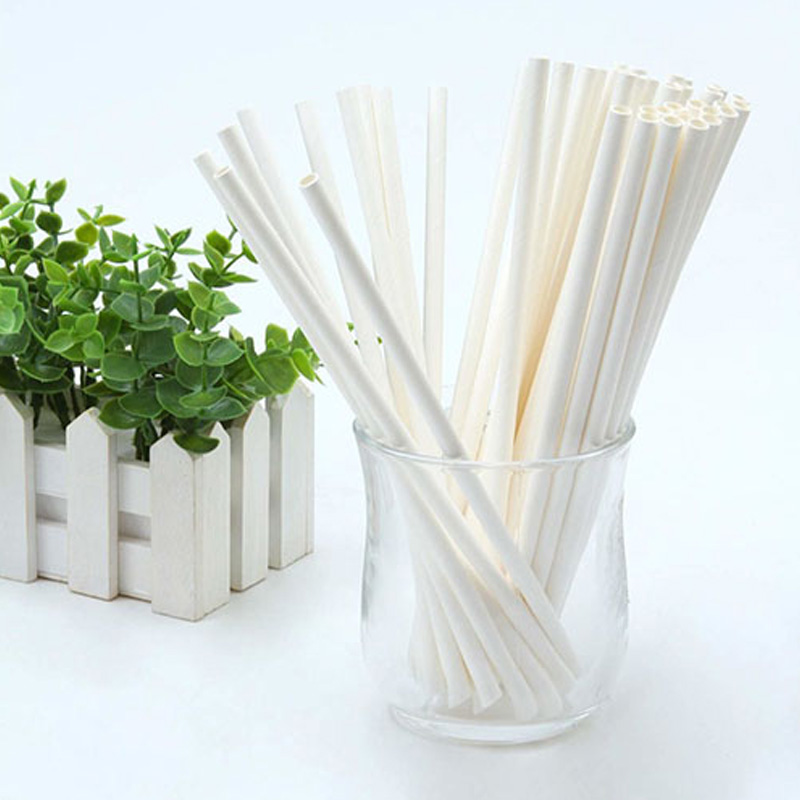
PLA Straw
Biodegradable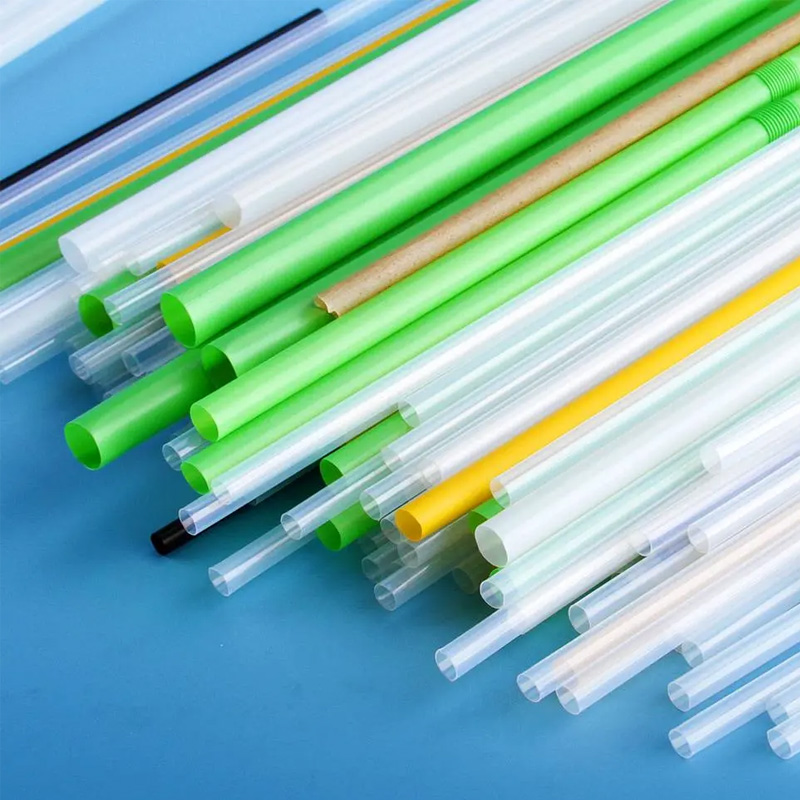
Paper Straw
Compostable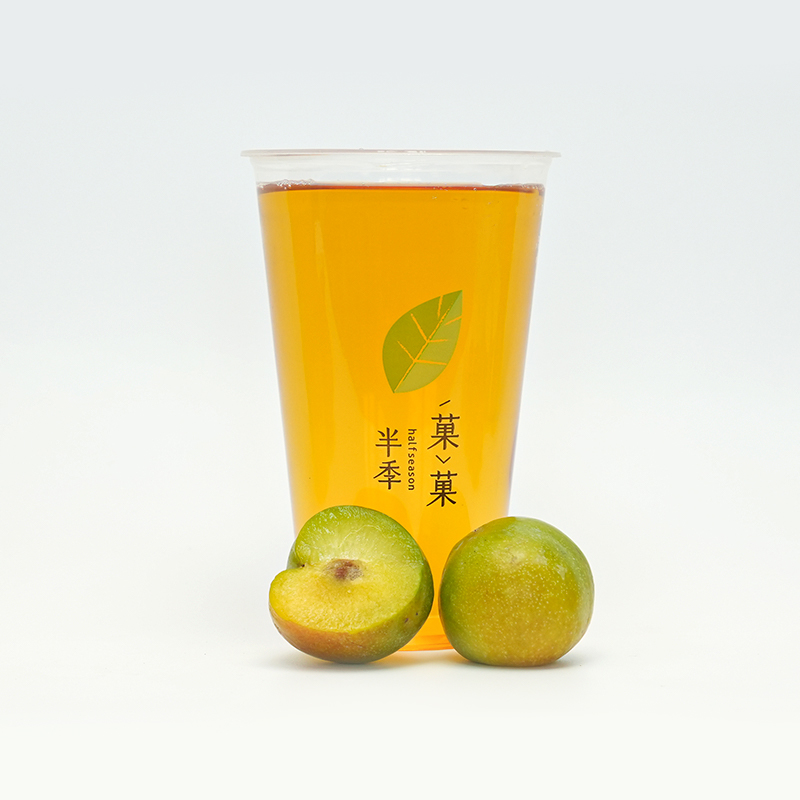
Injection Moulded Cup
PP Cup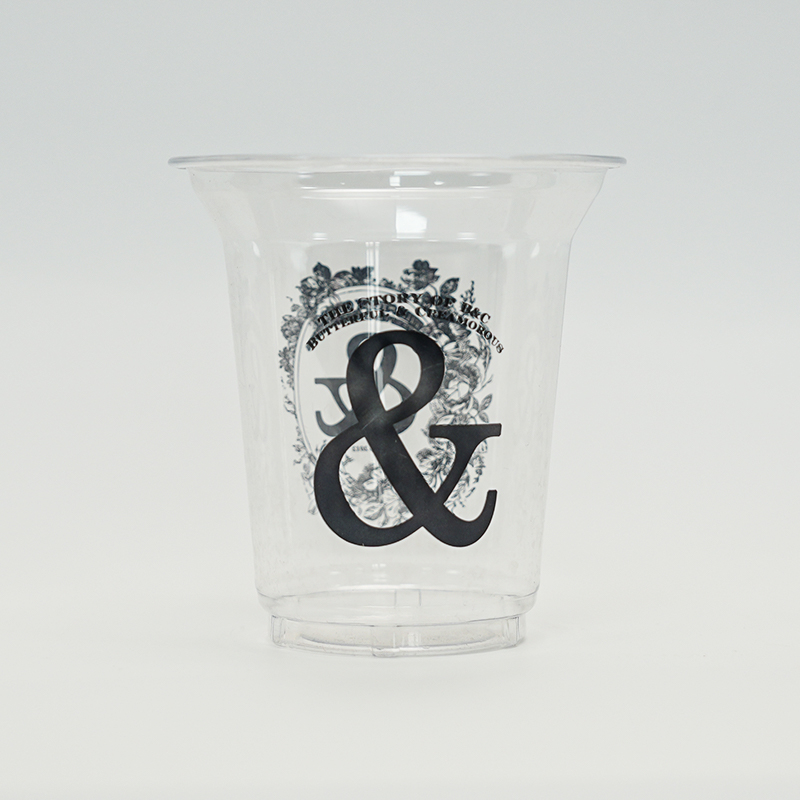
Low-Temp Resistant Cup
PET Cup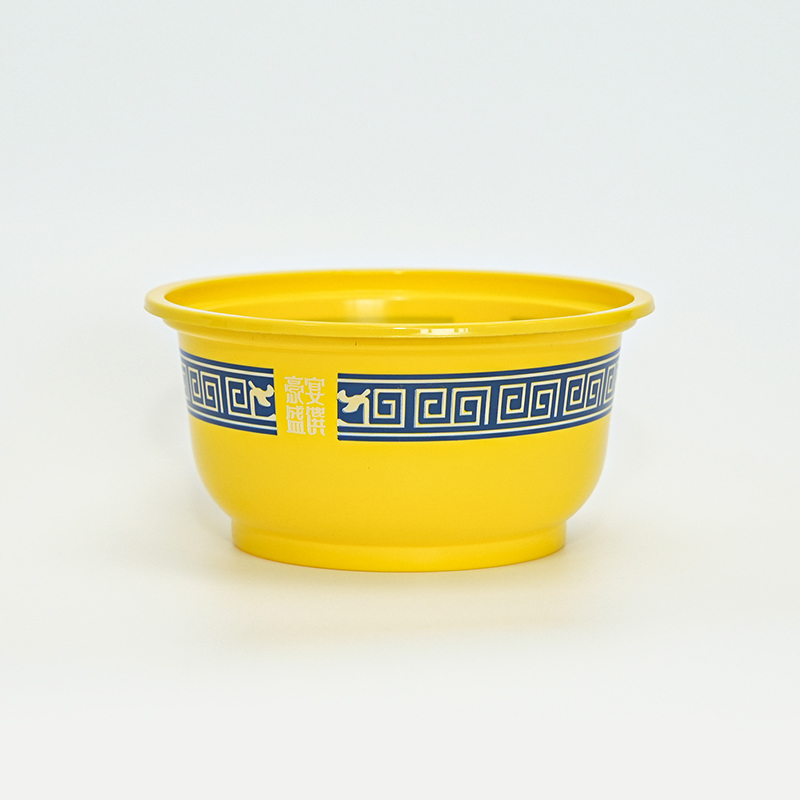
Takeaway Container
PP BowlEnvironmental Footprint: Composting, Biodegradation, and Certifications
Paper straws are generally seen as easier for consumers to dispose of because most people can put paper products in general waste or compost without a second thought, and the material breaks down naturally without needing an industrial facility. PLA straws are technically compostable, but the plant-starch resin needs elevated heat and humidity to break down efficiently, which in most municipalities means an industrial composting facility rather than a home compost bin. If your market has strong industrial composting infrastructure, PLA performs well; if it does not, paper straws may end up being handled more responsibly by default.
Both materials avoid the core criticism of conventional plastic straws — persistence in marine and soil environments for centuries — so from a regulatory standpoint, either one typically satisfies single-use-plastic bans that specifically target petroleum-based plastic. It is worth confirming the specific wording of your local ban, since some jurisdictions distinguish between "compostable," "biodegradable," and "plant-based" in ways that affect which material qualifies.
Choosing the Right Straw for Your Business
Bubble Tea and Smoothie Shops
Long soak times and thick contents make PLA straws the more reliable choice here. A 12 mm diameter PLA straw handles tapioca pearls and thick purees without collapsing over a 20 to 30 minute serving window.
Coffee Shops and Quick-Serve Cafés
Paper straws work well for hot and iced coffee that is typically finished within 15 minutes. Kraft paper straws also reinforce a café's handcrafted, eco-conscious branding at the point of sale.
Catering, Events, and Bars
Mixed drink service benefits from PLA straws because guests often nurse a drink for longer than a quick-serve customer, and a straw that softens mid-conversation creates a poor guest experience.
Retail and Grocery Multi-Packs
Either material works, but paper straws tend to have a slight edge in shelf appeal for eco-labeled retail packs, since the paper texture visually communicates the sustainability claim without needing extra copy on the packaging.
Sourcing Tips for Bulk and Custom Orders
When requesting quotes from a straw manufacturer, lock in the following specifications before comparing prices across suppliers, since even small changes shift the cost per thousand pieces:
- Diameter and length — common combinations are 6×210 mm, 8×210 mm, 6×230 mm, 8×230 mm, and 12 mm versions in both lengths for wide-bore drinks.
- Color — natural white is the standard for PLA, while paper straws are available in white or kraft finishes.
- Packaging — individually paper-wrapped straws cost more per piece but are required for many foodservice hygiene regulations, while bulk-packed straws suit high-volume dispensers.
- Printing — multi-color logo printing is available on both materials, though setup costs and minimum order quantities apply per design.
- Certifications — ask for BPI or equivalent industrial-compostability certification on PLA resin, and confirm food-grade certification on paper stock and adhesive.
If your straws will ship alongside cups, lids, bowls, or hot pot containers, consolidating the order with one factory that also produces PP injection moulded cups, low-temperature resistant PET cups, PP bowls, and PE or PP hot pot containers can simplify logistics and reduce the number of vendors you need to manage for a single product launch.
Final Takeaway
Choose a PLA straw when drink temperature is cold, soak time is long, and your market has reliable industrial composting. Choose a paper straw when the serving window is short, the drink is hot or quickly finished, and visible "eco" branding matters more than raw durability. Cost-wise, PLA straws are typically the lighter spend at bulk volumes because of faster production and simpler material input, but always request a quote at your exact diameter, length, and packaging format before finalizing a supplier decision.




