


 English
 Español
 عربى
عربىContent
- 1 Why Cup Volume Does Not Decide Lid Fit
- 2 Standard Diameter Reference For 8oz, 12oz, 16oz And 32oz Cups
- 3 Matching Lid Material To Cup Type
- 4 Cup Lid Product Range
- 5 How To Confirm A Lid Fits Before Bulk Ordering
- 6 Common Fitting Mistakes And How To Avoid Them
- 7 Custom Lid Solutions For Non-Standard Cup Sizes
An 8 oz cup normally takes an 80mm lid, a 12 oz cup takes a 90mm lid, a 16 oz cup takes a 90mm or 98mm lid depending on the cup wall angle, and a 32 oz cup takes a 98mm or 105mm lid. The ounce number on a cup tells you how much liquid it holds, but the lid that fits is determined by the rim diameter, not the volume, so two 16 oz cups from different production lines can still need different lid codes.
| Cup Size | Typical Rim Diameter | Common Lid Code | Best Match |
| 8 oz | 80mm | 80-Series | PP flat or dome lid |
| 12 oz | 90mm | 90-Series | PP or PET flat lid |
| 16 oz | 90mm / 98mm | 90 or 98-Series | PP dome, PET flat |
| 32 oz | 98mm / 105mm | 98 or 105-Series | Thickened PP lid |
Figures above reflect widely used industry lid codes. Actual diameter varies between cup molds, so always confirm with a rim measurement or a physical sample before placing a bulk order.
Why Cup Volume Does Not Decide Lid Fit
A lid seals against the rolled edge of the cup rim, not against the liquid capacity printed on the packaging. Two factors change the rim size independently of ounce count: wall taper angle and cup height. A tall, narrow 16 oz cup used for iced coffee often has a smaller rim than a short, wide 16 oz cup used for soup, even though both hold the same 473ml. This is why the same volume can require two different lid diameters, and why matching by ounce alone leads to loose or overly tight lids.
For an injection moulded lid, the tolerance is tighter than for a thermoformed lid because the mold produces a fixed inner diameter with almost no flex. That precision is an advantage for leak resistance, but it also means the rim diameter has to be correct within roughly 0.3mm to 0.5mm for a secure click-fit.
Standard Diameter Reference For 8oz, 12oz, 16oz And 32oz Cups
The table below expands the quick answer with wall thickness and typical use cases, based on common cup and lid combinations used across cold drink, hot drink, and takeaway packaging.
| Cup Size | Rim Diameter | Lid Wall Thickness | Typical Use |
| 8 oz (237ml) | 78mm to 80mm | 0.30mm to 0.45mm | Espresso, tasting cups, side sauces |
| 12 oz (355ml) | 88mm to 90mm | 0.35mm to 0.50mm | Iced coffee, soft drinks, bubble tea |
| 16 oz (473ml) | 90mm to 98mm | 0.40mm to 0.55mm | Smoothies, large soft drinks, milk tea |
| 32 oz (946ml) | 98mm to 105mm | 0.50mm to 0.70mm | Family-size drinks, party cups, bulk soup |
The wall thickness column matters more than most buyers expect. A thicker lid on a 32 oz cup resists warping when the cup is stacked or when hot liquid is poured, while a thin 8 oz lid keeps unit cost down for high-volume single-serve use.
Matching Lid Material To Cup Type
Once the diameter is confirmed, material choice decides how the lid performs in the field. Two resins cover most of the market.
- PP cup lids hold shape up to roughly 100 degrees Celsius, which makes them the standard pairing for a hot-fill PP cup or an injection moulded cup used for coffee, soup, or hot pot broth.
- PET cup lids are valued for optical clarity, so they pair naturally with a clear PET cup for cold beverages, smoothies, and bubble tea where the drink itself is part of the presentation.
- A low-temperature resistant PET cup paired with a matching PET lid stays crack-resistant down to around minus 18 to minus 20 degrees Celsius, which is the relevant spec for frozen drinks or cold-chain distribution rather than heat resistance.
Mixing materials across a size range, for example a PP body with a PET lid, is common and generally fine as long as the diameter matches; what does not work is using a PET lid on a hot-fill cup, since it can deform and break the seal.
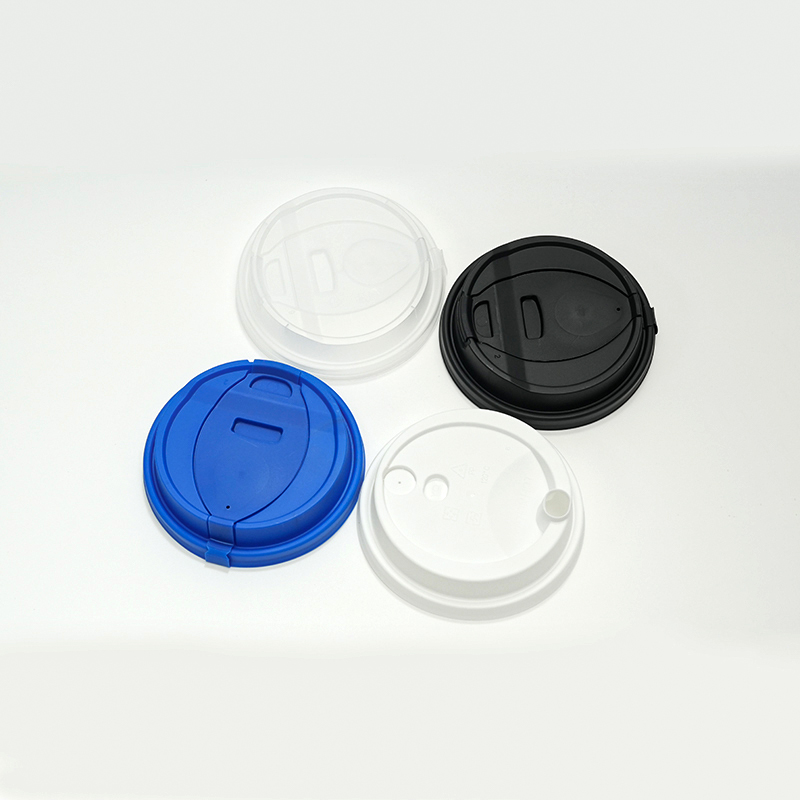
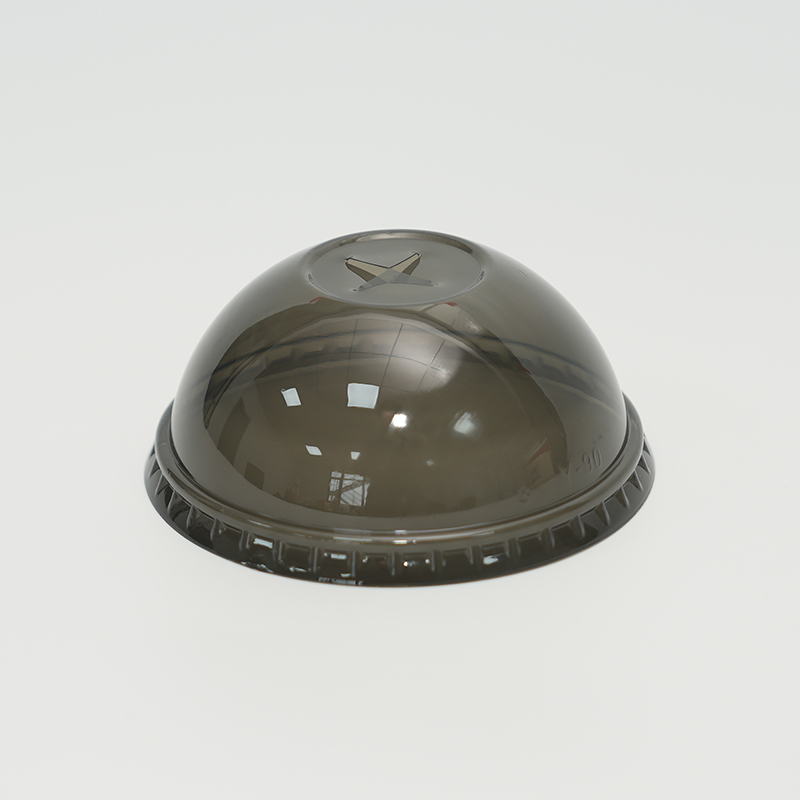
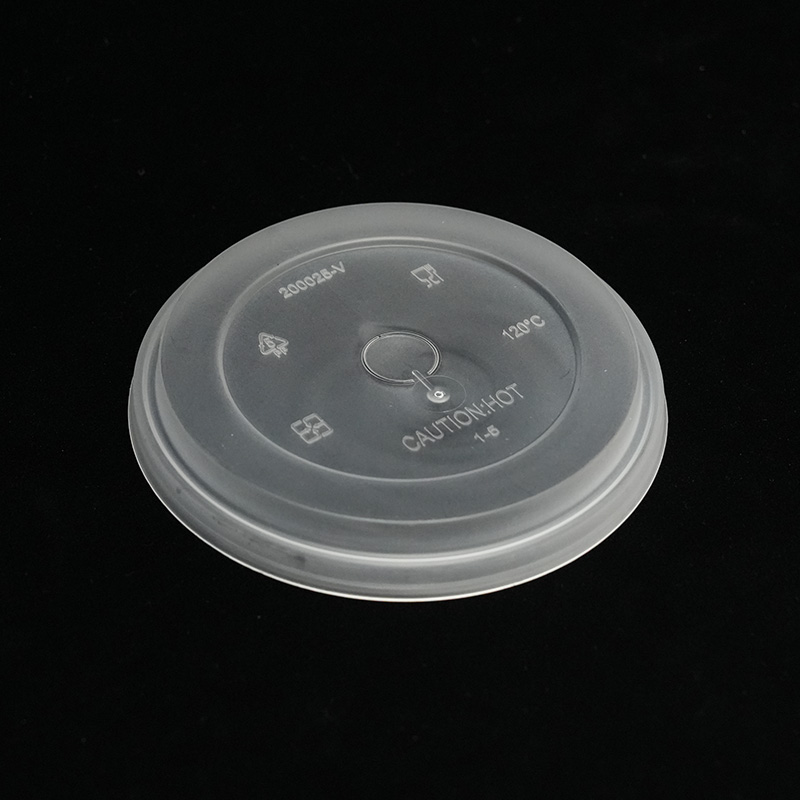
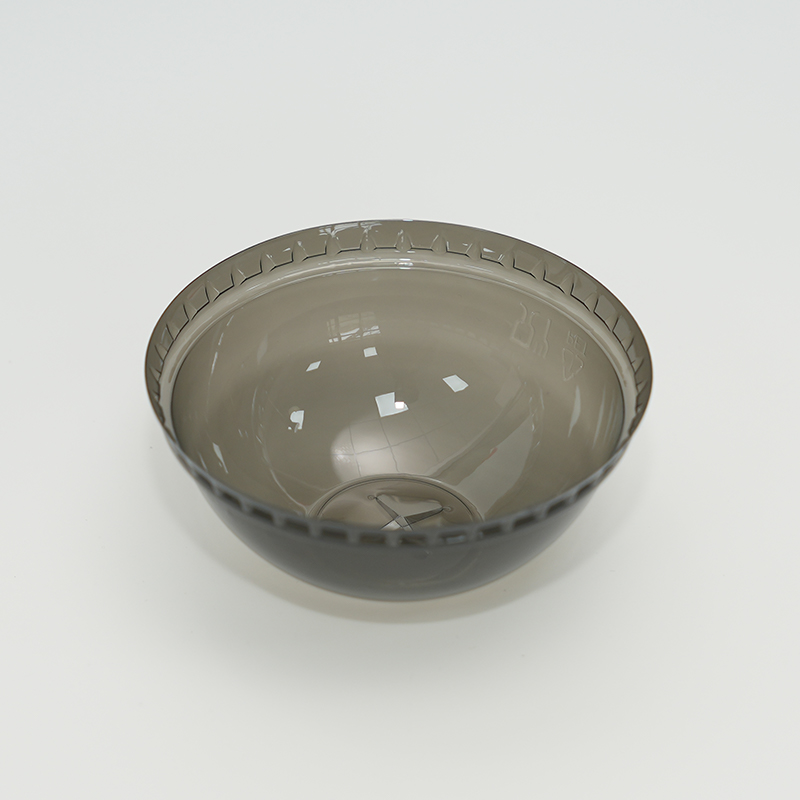
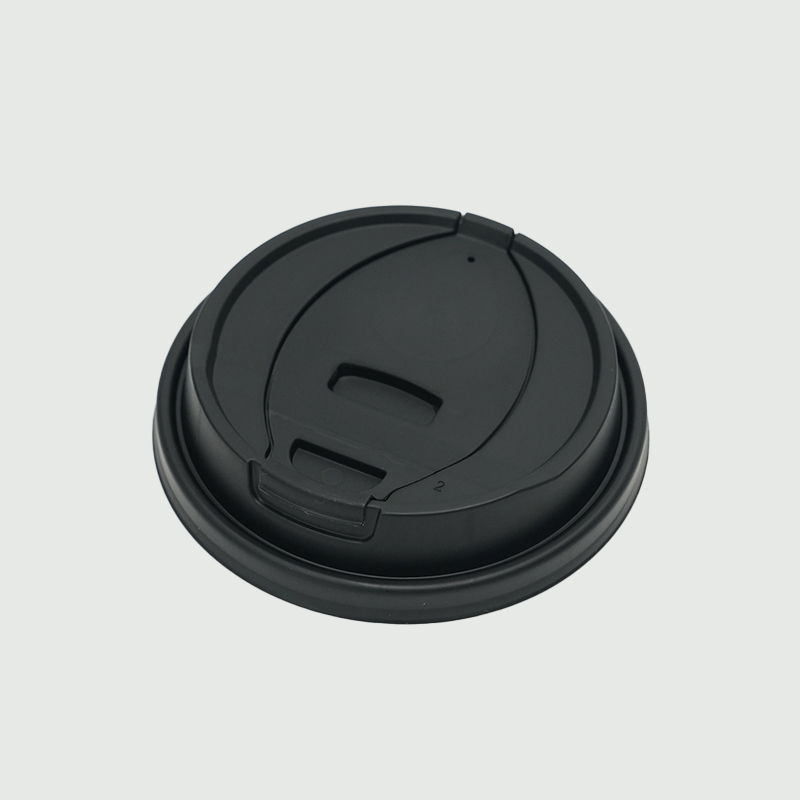
Cup Lid Product Range
Below is a snapshot of injection moulded and PET lid styles produced for the 8 oz to 32 oz range, from flat sealing lids to leak-proof patented designs.
How To Confirm A Lid Fits Before Bulk Ordering
Ordering by ounce size alone is the single most common cause of mismatched shipments. A short verification step avoids returned pallets and delayed launches.
- Measure the outer rim of the cup with calipers at two points 90 degrees apart, since some rims are slightly oval.
- Compare the reading against the lid's inner diameter, allowing for a 0.3mm to 0.5mm press-fit tolerance rather than an exact match.
- Request a small sample batch of 20 to 50 lids and test them on the actual cup run, not on a reference cup from a different supplier.
- Check the seal after the cup is filled and inverted; a proper fit should hold without liquid seeping at the rim for at least 30 seconds.
Common Fitting Mistakes And How To Avoid Them
| Mistake | Why It Happens | Fix |
| Buying by ounce label only | Different cup makers use different taper angles for the same volume | Match by rim diameter, then confirm ounce size second |
| Using a PET lid on hot liquid | PET softens above roughly 70 to 75 degrees Celsius | Switch to a PP lid for anything served hot |
| Ordering thin lids for 32 oz cups | Thin lids flex under the weight of larger fill volumes | Specify a thickened PP lid at 0.5mm or above |
| Skipping a sample run | Assuming all 16 oz cups share one lid code | Test 20 to 50 units on the actual production cup first |
Custom Lid Solutions For Non-Standard Cup Sizes
Not every cup on the market fits a stock 80, 90, 98, or 105 lid code. For private-label cup programs, a custom injection moulded lid can be tooled to match a proprietary rim profile, including patented leak-proof designs with a raised sealing ring for extra grip on 16 oz and 32 oz sizes that see rough handling in delivery. Minimum order volumes and mold lead times vary by manufacturer, so it is worth requesting a diameter drawing and a sample lid before committing to a full tooling run, especially when a single brand runs both hot-fill PP cups and cold-fill PET cups that need visually matching lids across the whole size range.




