


 English
 Español
 عربى
Content
- 1 What Makes a Cup Suitable for Hot Drinks?
- 2 Material Comparison: PP, PET, PLA, and Paper
- 3 PP Injection-Molded Cups: The Workhorse for Hot Drinks
- 4 The Lid Matters as Much as the Cup
- 5 Matching Cups and Lids for Different Service Models
- 6 Sustainability Without Compromising Hot Drink Performance
- 7 Procurement Checklist for Foodservice Buyers
- 8 Frequently Asked Questions
A cafe owner places a takeaway cup of freshly brewed coffee on the counter. Within minutes, the cup feels soft, the lid leaks at the seam, and the customer burns their fingers. That scenario is more common than it should be, and it usually comes down to one thing: the cup was not designed for hot liquids. Choosing the best cups for hot drinks means looking beyond appearance and focusing on material heat resistance, lid-to-cup compatibility, and supply reliability.
Here is the short answer: PP (polypropylene) cups with matching leakproof or vented lids are the most reliable baseline for hot beverages. PET cups work well for cold drinks but soften under heat. PLA and paper options serve sustainability goals but need careful handling for very hot drinks. The rest of this guide explains why and what to check before you place an order.
What Makes a Cup Suitable for Hot Drinks?
Heat resistance is the first filter. A material that deforms at 70°C will fail when filled with coffee at 85°C. The second filter is structural rigidity. Thin walls transfer heat quickly to the hand and feel flimsy even if they do not leak. The third is lid fit. A cup is only as good as its lid, because most spills happen at the seam, not through the cup wall.
Heat Resistance and Material Choice
Polypropylene (PP) is the most common material for hot drink cups in foodservice. Depending on grade and wall thickness, PP cups can handle temperatures up to about 100–120°C. PET cups typically deform above 60–70°C, which is why they are used for iced drinks. PLA can handle warm drinks up to around 80°C but softens faster than PP. Paper cups with a lining work for hot coffee, though the lining can separate if the cup sits too long.
Leakproof Performance and Lid Compatibility
Lid fit is not a universal standard. A lid that clicks onto one cup may sit loosely on another from a different supplier. For hot drinks, two lid styles matter most: leakproof lids for delivery and travel, and vented lids for dine-in or short takeaway. A vented lid releases steam and prevents pressure buildup, while a leakproof lid uses a sealing ring or plug to stop liquid from escaping. Mixing brands is a common cause of leaks, so buying cups and lids from the same production line is a practical rule.
Material Comparison: PP, PET, PLA, and Paper
The table below summarizes the main options for hot drink service. It assumes standard foodservice wall thicknesses and lid systems from the same supplier.
| Material | Heat Resistance | Best For | Key Consideration |
|---|---|---|---|
| PP injection-molded | High (up to ~120°C) | Hot coffee, tea, soups | Rigid and reliable for takeaway |
| PP blister | Moderate to high | Hot drinks, cost-sensitive | Lighter wall, check lid fit |
| PET | Low (up to ~65°C) | Cold drinks, iced coffee | Not suitable for hot liquids |
| PLA | Moderate (up to ~80°C) | Warm drinks, eco-focused | Compostable, lower heat tolerance |
| Paper with lining | Moderate | Hot coffee, double-wall service | Lining can soften; needs firm grip |
PP Injection-Molded Cups: The Workhorse for Hot Drinks
If you serve coffee, tea, or hot soup in volume, PP injection-molded cups are the most practical starting point. They hold their shape at high temperatures, resist crushing in a cup holder, and work with a wide range of lid designs. The injection-molding process also allows tighter tolerances on the rim, which improves lid fit and reduces the chance of a loose seal.
Wall thickness matters more than many buyers expect. A cup that feels solid in the hand usually has a thicker wall or a reinforced rim. That rigidity keeps the cup from collapsing when a customer grips it firmly, and it slows heat transfer to the fingers. For operations that serve drinks above 85°C, a thicker PP cup is not a luxury; it is a basic requirement.
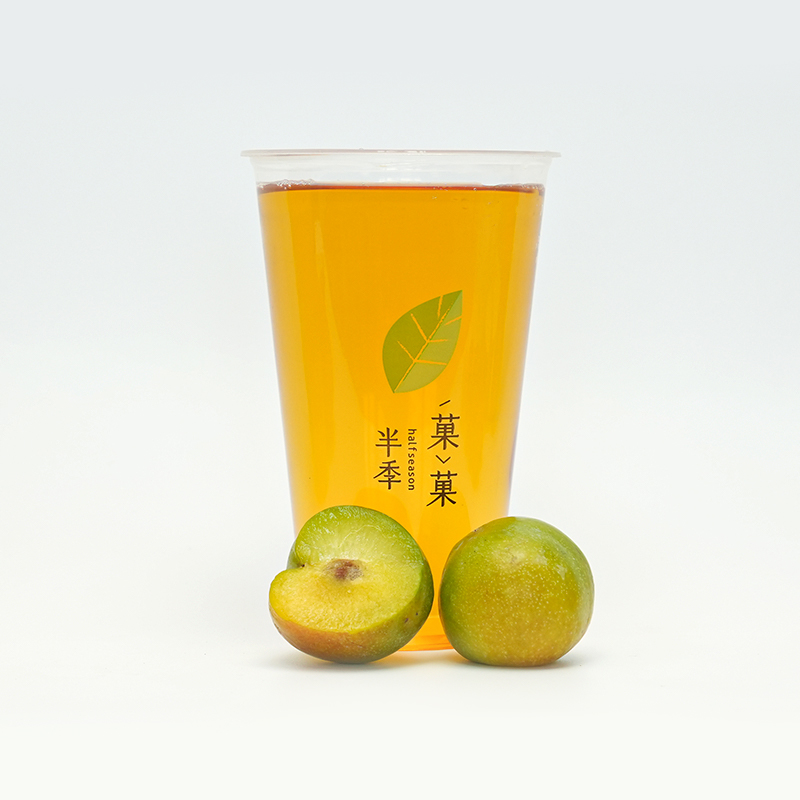 Custom PP Injection Molded Cups for Hot and Cold BeveragesThick-wall PP cups offer rigidity for firm gripping and slow heat transfer, with dimensional stability for direct-drink or straw lids.View Product →
Another advantage of PP is compatibility with direct-drink and straw lids. Some hot drink programs use a sipper lid for tea, while others use a flat lid for delivery. Because PP is dimensionally stable, the same cup can accept several lid options without changing the cup size or rim profile.
The Lid Matters as Much as the Cup
A leakproof cup without a leakproof lid is still a leaky cup. For hot drinks, the lid has to seal against the rim, tolerate steam pressure, and remain easy to open without splashing. Patented leakproof lids often use a thickened sealing edge or a one-piece design that presses into the rim. These features are especially useful for delivery orders, where the cup may be tilted in a bag for several minutes.
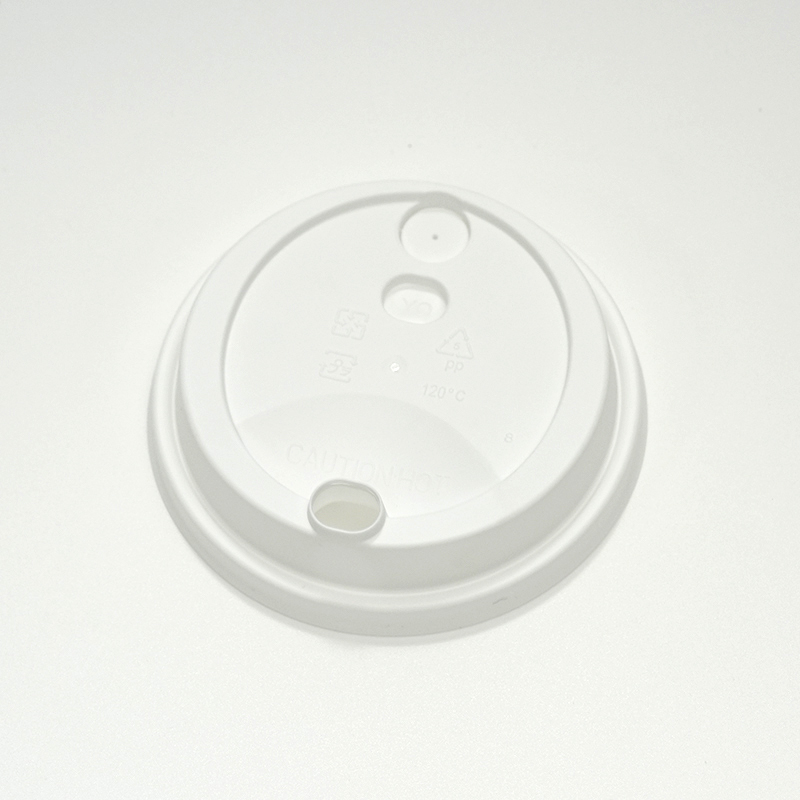 Patented Leakproof Thickened Plastic Cup Lids for DeliveryThickened patented lids seal against the rim to reduce leaks during tilted delivery, available in flip and flat styles.View Product →
Vented lids solve a different problem. When hot liquid releases steam inside a sealed cup, pressure builds up. A vented lid lets that steam escape, which reduces the chance of the lid popping off or the seam leaking. For dine-in service or short takeaway trips, a vented PP lid is often the better choice. For long-distance delivery, a leakproof lid with a secure seal is usually safer.
 Clear PP Vented Lids for Takeaway Bowls and ContainersVented clear PP lids release steam to reduce pressure and lid popping, with matching rim fit for dine-in or short takeaway service.View Product →
Both lid types need to match the cup rim diameter and profile. Even a 1 mm difference can cause a loose fit or a lid that will not snap on. This is why buying cups and lids as a matched set from one supplier is more reliable than sourcing them separately.
Matching Cups and Lids for Different Service Models
Hot drink service is not one single use case. A dine-in cafe, a drive-through, and a delivery-only kitchen each have different priorities. The table below maps common service models to the cup and lid features that matter most.
| Service Model | Priority | Recommended Cup | Recommended Lid |
|---|---|---|---|
| Dine-in cafe | Drinking comfort, heat control | PP injection-molded or paper | Vented PP lid or sipper lid |
| Takeaway counter | Leak resistance, easy carry | PP injection-molded | Leakproof PP lid |
| Delivery and courier | Seal integrity, stacking | PP injection-molded, thicker wall | Patented leakproof lid |
| Office and events | Batch preparation, cost | PP blister or paper | Flat lid or vented lid |
Sustainability Without Compromising Hot Drink Performance
Many foodservice buyers want to reduce plastic waste without sacrificing safety. PLA cups and paper cups with compostable linings are two common options. PLA is made from renewable resources and can be industrially composted, but it has a lower heat tolerance than PP. It works well for warm drinks and events where the drink is consumed within a short time. Paper cups with a PLA lining are another route, though they can soften if the drink sits too long.
A practical approach is to match the material to the temperature and holding time. If the drink is served above 85°C and will be carried for more than ten minutes, PP remains the most reliable choice. If the drink is served at 70–80°C and consumed quickly, PLA or paper can meet sustainability goals without compromising safety.
Procurement Checklist for Foodservice Buyers
Before placing a large order, run through the following checklist. It covers the points that cause the most problems after delivery.
- Heat resistance rating: Confirm the maximum working temperature for both the cup and the lid. Ask for a written specification, not just a verbal claim.
- Lid fit test: Request samples of the exact cup and lid combination you plan to order. Fill with hot water, tilt, and shake to check for leaks.
- Certifications: Look for food-contact safety certifications such as QS, ISO9001, BRC, and relevant regional standards.
- Customization options: If you need printed cups or specific sizes, confirm the minimum order quantity and artwork requirements before production begins.
- Lead time and stock: Hot drink season can create sudden demand. Ask about production capacity and whether standard sizes are kept in stock.
- Sample evaluation: Test samples under real conditions: fill with the hottest drink you serve, seal the lid, and let it sit for the expected delivery time.
For buyers who want to compare material options in more detail, the site's industry news section on PP injection-molded cups covers several performance points. If you need a specific quote or custom design, the contact page is the fastest way to reach the production team.
Frequently Asked Questions
Can I use PET cups for hot drinks?
No. PET cups typically soften or deform above 60–70°C. They are designed for cold beverages and iced drinks. Using them for hot coffee can cause the cup to lose shape, leak at the seam, or become unsafe to hold.
What is the difference between a vented lid and a leakproof lid?
A vented lid has a small opening or channel that lets steam escape. It reduces pressure inside the cup and makes drinking easier, but it is not designed for long-distance transport. A leakproof lid creates a tight seal with no opening, which prevents spills during delivery but can trap steam. Choose based on how the drink will be carried and consumed.
How do I test whether a lid will leak?
Fill the cup with hot water to the normal serving level, seal the lid firmly, and tilt the cup 45 degrees in several directions. Then shake it gently for ten seconds. A leakproof lid should show no liquid at the rim or seam. Repeat the test after the cup has sat for five minutes, because heat can soften the lid material.
Choosing the best cups for hot drinks comes down to matching the material to the temperature, the lid to the cup, and the supplier to your service model. PP injection-molded cups paired with leakproof or vented lids cover the majority of hot drink needs, from dine-in coffee to delivery orders. PET remains a cold-drink material, while PLA and paper offer sustainability options for shorter holding times and lower serving temperatures. Test samples under real conditions, confirm certifications, and keep cup and lid sourcing in one place. That approach prevents most of the leaks, burns, and complaints that come from using the wrong cup for the job.



