


 English
 Español
 عربى
عربىContent
PP (polypropylene) cup lids and PET (polyethylene terephthalate) cup lids differ mainly in three areas: heat resistance, clarity, and rigidity. PP lids withstand temperatures up to roughly 120-130°C, making them the standard choice for coffee, hot pot, and other hot food packaging. PET lids stay optically clear, resist cracking in cold storage, and are the default option for iced drinks, bubble tea, and cold desserts. The right pick depends on the product temperature, how the lid needs to look on shelf, and the sealing machine being used.
Material Composition and How Each Lid Is Made
Both lid types start as food-grade resin pellets that are shaped through an injection moulded lid process. An injection moulded cup lid is formed by pressing molten plastic into a steel mould under high pressure, which produces a rigid, dimensionally consistent lid with a tight fit onto the cup rim. PP resin has a looser molecular structure that gives it flexibility and heat tolerance, while PET resin has a tighter, more ordered structure that produces glass-like transparency and higher tensile strength.
PP Cup Lid
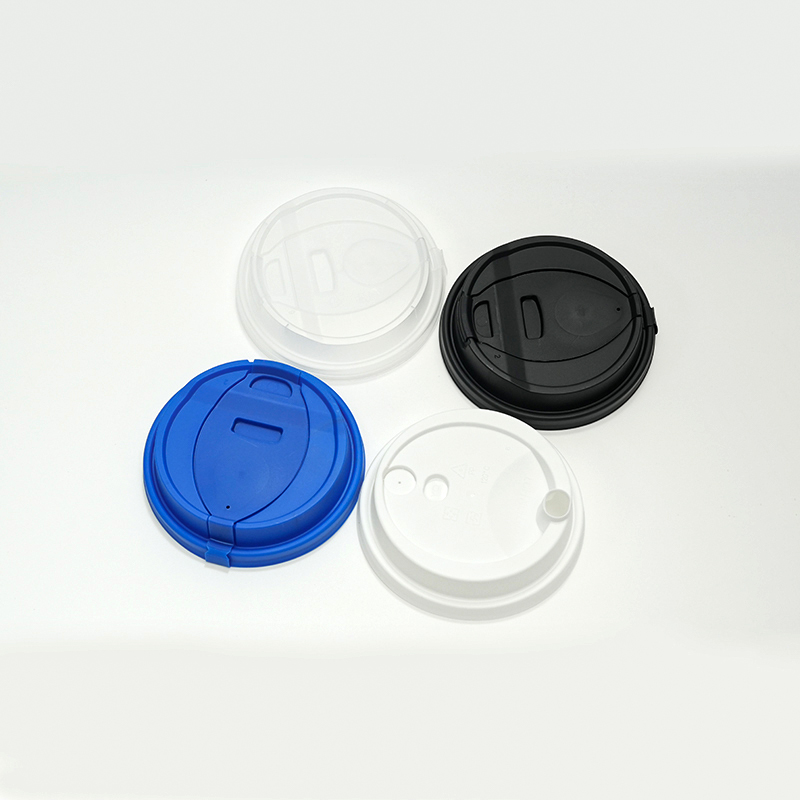
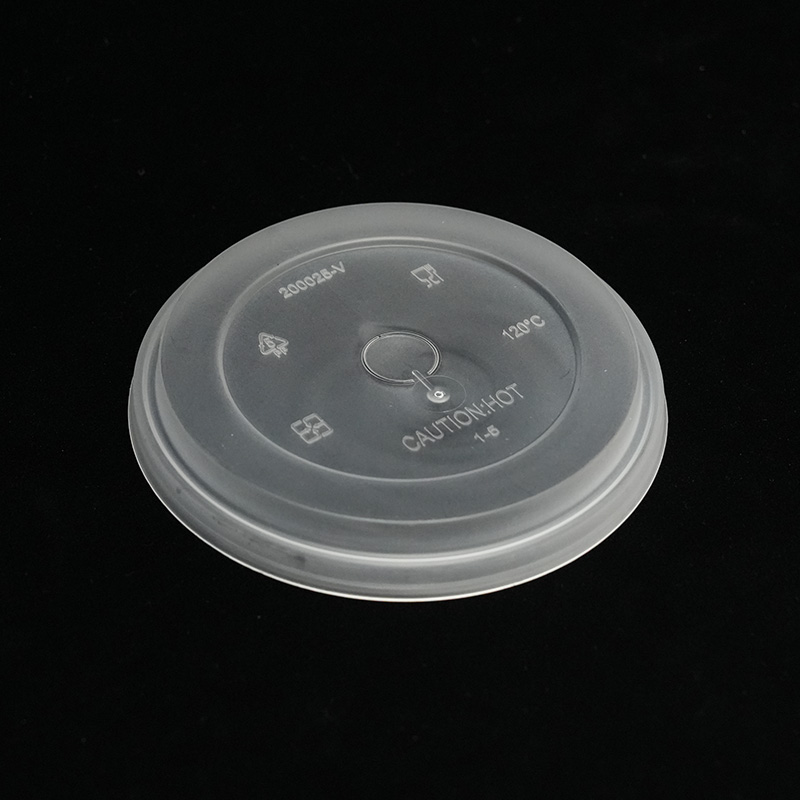
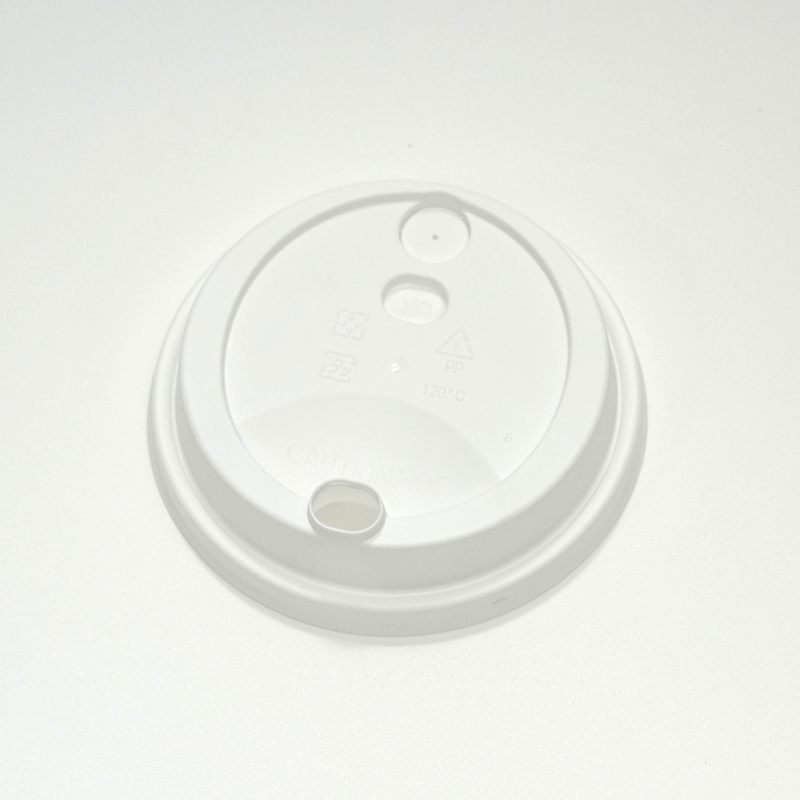
Semi-translucent to opaque finish, slight flex under pressure, resists heat and steam without deforming. Common for a PP cup, PP bowl, and PP hot pot container line.
PET Cup Lid
High clarity, rigid snap-fit action, low odor transfer. Frequently paired with a PET cup or a low-temperature resistant PET cup for chilled beverage lines.
Temperature Resistance Compared
Temperature range is the single biggest factor separating these two materials. PP softens at a much higher point than PET, so hot-fill lines almost always default to it, while PET is engineered to stay tough in the cold rather than the heat.
| Property | PP Cup Lid | PET Cup Lid |
|---|---|---|
| Maximum service temperature | Approx. 120-130°C | Approx. 60-70°C |
| Cold storage performance | Can become brittle below -10°C | Stays flexible down to about -18°C in a low-temperature resistant PET cup format |
| Typical use case | Hot coffee, tea, PE hot pot container and PP hot pot container lines | Iced coffee, bubble tea, cold desserts |
| Response to steam | Holds shape, minimal warping | May fog or soften under sustained steam |
A hot pot brand, for example, generally chooses a PP hot pot container or PE hot pot container over a PET equivalent, since boiling broth would distort a PET lid within minutes. On the flip side, a bubble tea shop serving iced drinks all day gets far more mileage from a low-temperature resistant PET cup lid that will not crack when a bag of ice is dropped in.
Featured Lid Styles
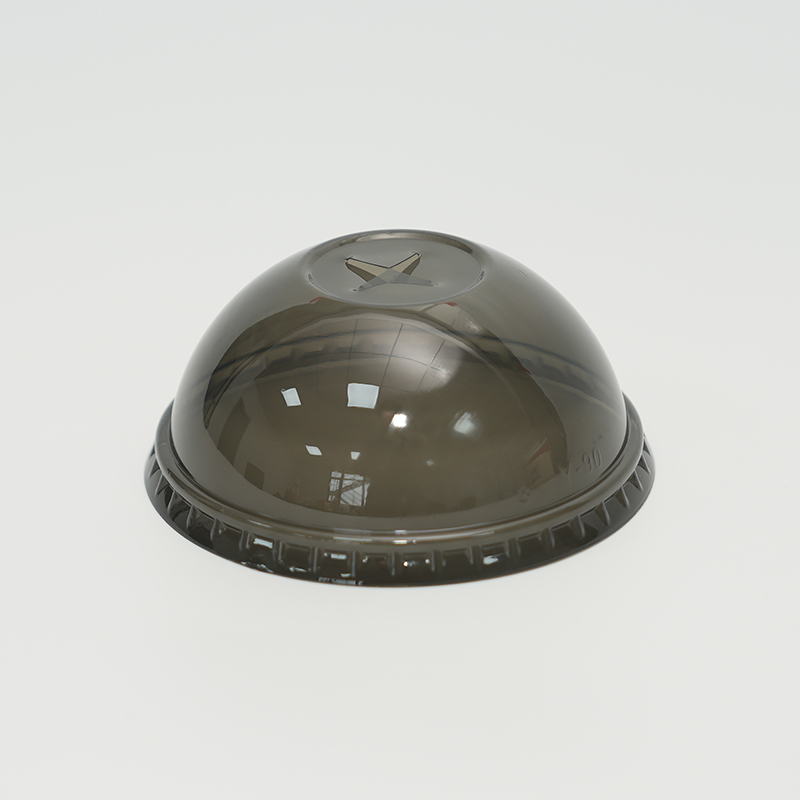
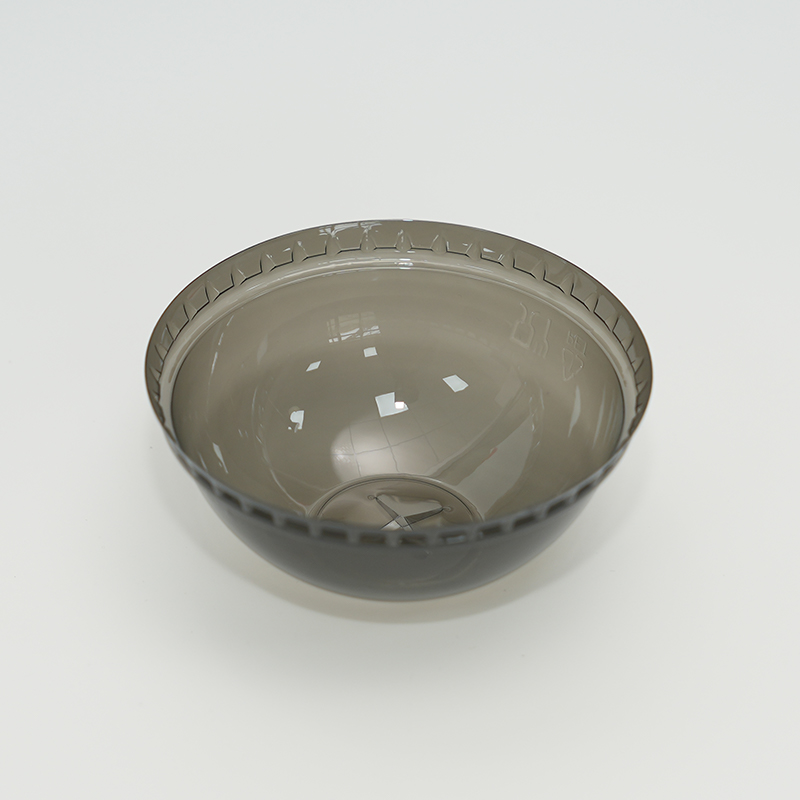
A quick look at ready-made PP and PET lid options, from flat sealing lids to raised ball-dome designs built for straws and toppings.
Clarity, Rigidity, and Shelf Appeal
PET resin is naturally transparent, which is why a PET cup lid is the go-to option whenever a brand wants the drink's color, ice ratio, or toppings visible through the lid itself. PP resin, by contrast, has a slight haze and is usually chosen for function rather than display. PET is also stiffer per millimeter of thickness, so a thinner PET lid can match the rigidity of a thicker PP lid, which sometimes translates into modest material savings on large order volumes.
- PET lids show off layered drinks, fruit pieces, and boba pearls without added packaging cost.
- PP lids hide minor surface marks better, which suits high-volume, budget-driven hot beverage programs.
- Both materials accept an injection molded cup with in-mold labeling process for sharp, wear-resistant branding directly on the lid.
Where Each Lid Fits Across a Product Line
Most foodservice operators do not pick one material for every product; they pair PP and PET across a matched set of packaging depending on the temperature and format.
| Application | Recommended Material | Notes |
|---|---|---|
| Hot coffee or tea cup | PP | Pairs with an injection moulded cup body for a matched, heat-stable set |
| Iced coffee or bubble tea | PET | Clear dome lids show ice level and toppings |
| Hot pot broth container | PP or PE | Works with a PP hot pot container or PE hot pot container to resist boiling liquid |
| Rice bowl or noodle bowl | PP | Often supplied as a PP bowl with a matching heat-safe lid |
| Salad or takeaway meal box | PET or PP | A suction plastic meal box relies on a tight-fitting lid seal regardless of resin |
| Branded snack or dessert box | PET | Frequently produced as an injection molded box with in-mold labeling for retail shelf presence |
Recycling and Environmental Notes
PP is labeled resin code 5 and PET is labeled resin code 1. Curbside recycling programs accept PET more consistently worldwide, since it is also used in bottled beverages and has a well-established reprocessing chain. PP recycling infrastructure has expanded significantly in the last decade but still varies by region, so operators with sustainability targets should check local facility capabilities before standardizing on either resin. Both materials remain fully compliant with food-contact safety regulations when produced from virgin, food-grade pellets.
How to Choose Between PP and PET
Four practical questions narrow the decision down quickly for most buyers:
- Will the product be served hot, cold, or both? Hot service points toward PP; cold or iced service points toward PET.
- Does the drink or food need to be visible through the lid? Choose PET for maximum clarity.
- What sealing method is used - heat sealing film, snap-fit, or a straw slot? Confirm the lid style is compatible with the existing filling line before switching resin.
- What does the local recycling stream accept? Match the resin to what your customer base can realistically recycle.
In practice, many multi-item menus stock both: PP for the hot beverage and hot pot side of the business, and PET for iced drinks and cold desserts, giving each product the lid material best suited to its temperature and presentation needs.




