English
 Español
 عربى
عربىComplete Buyer's Guide
The Ultimate Guide to Plastic Cup Sizes, Manufacturing & Lids
Everything food-service buyers and business owners need to know — from 1 oz shot cups to 32 oz mega cups, PET lids, manufacturing methods, and where to source wholesale.
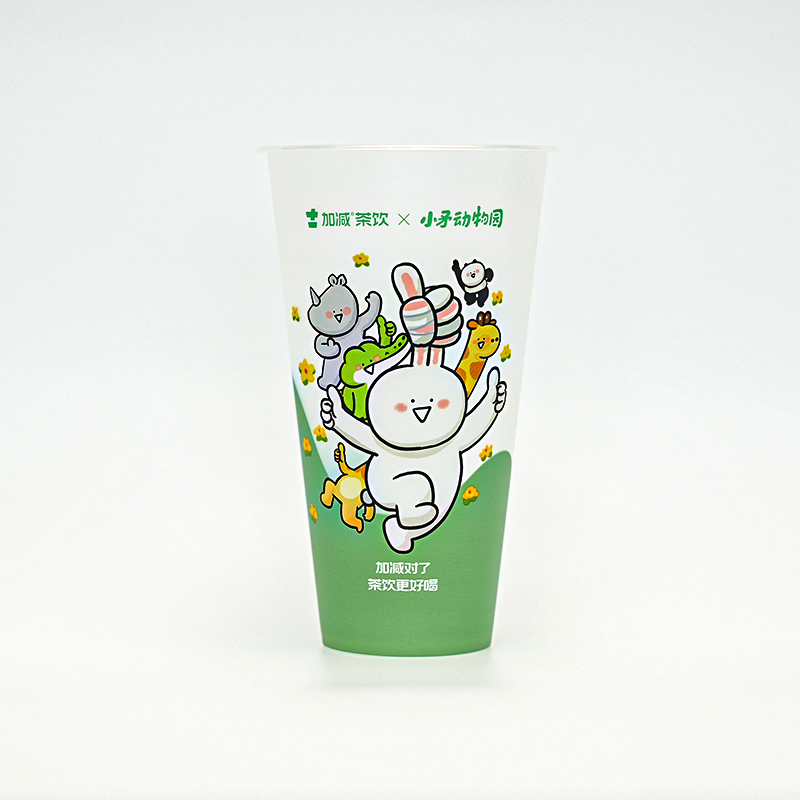
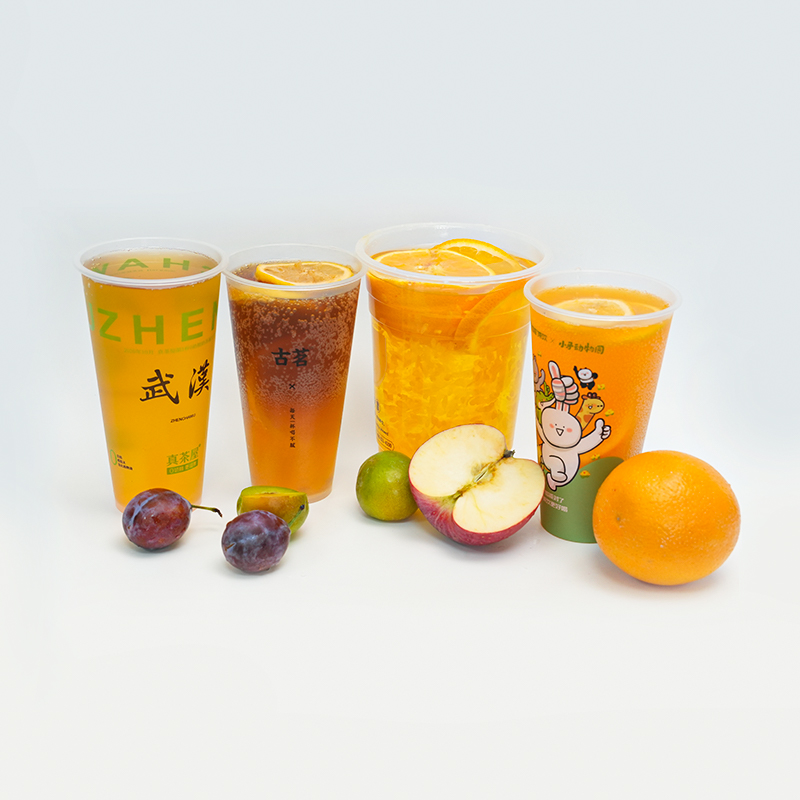
Plastic cup sizes: quick reference chart (oz & ml)
The most common plastic cup sizes range from 1 oz to 32 oz (approximately 30 ml to 946 ml).
| Size (oz) | Volume (ml) | Common use | Typical application |
|---|---|---|---|
| 1 oz | 30 ml | Shot/sample | Condiments, tastings |
| 2 oz | 59 ml | Mini | Jello shots, sauces |
| 5 oz | 148 ml | Small | Bathroom, espresso |
| 7 oz | 207 ml | Medium-small | Juice, cold brew |
| 9 oz | 266 ml | Medium | Parties, dispensers |
| 12 oz | 355 ml | Standard | Soda, beer |
| 14 oz | 414 ml | Large | Iced coffee, boba |
| 16 oz | 473 ml | Large | Fountain drinks |
| 20 oz | 591 ml | X-Large | Large sodas, slushies |
| 24 oz | 710 ml | X-Large | Smoothies, frozen |
| 32 oz | 946 ml | Mega | Bulk beverages |
Cup size comparison (to scale)
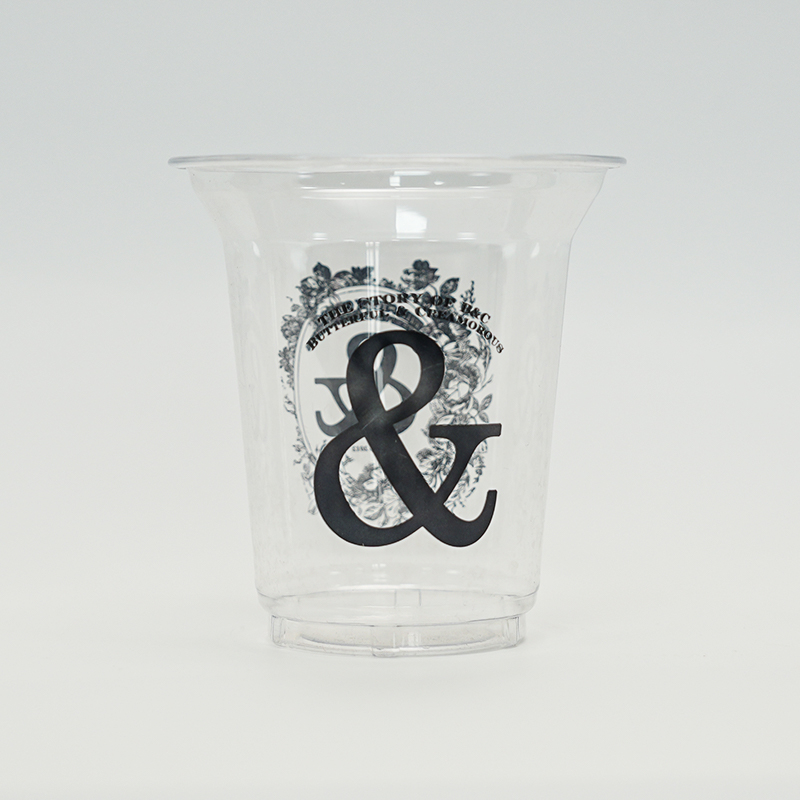
The 14 oz plastic cup: a popular choice for foodservice
The 14-oz plastic cup (414 ml) is one of the most popular sizes in cafes, smoothie bars, and quick-service restaurants. It bridges the gap between 12 oz and 16 oz, making it ideal for medium iced drinks and bubble tea.
- —Dimensions: typically 3.8" base × 5.2" height
- —Fits standard dome and flat PET lids
- —Widely used for iced lattes, boba, and smoothies
- —Available in clear PET, PP, and PS materials
- —Sold in cases of 500–1,000 units for business use
The 1 oz plastic cup: small but essential
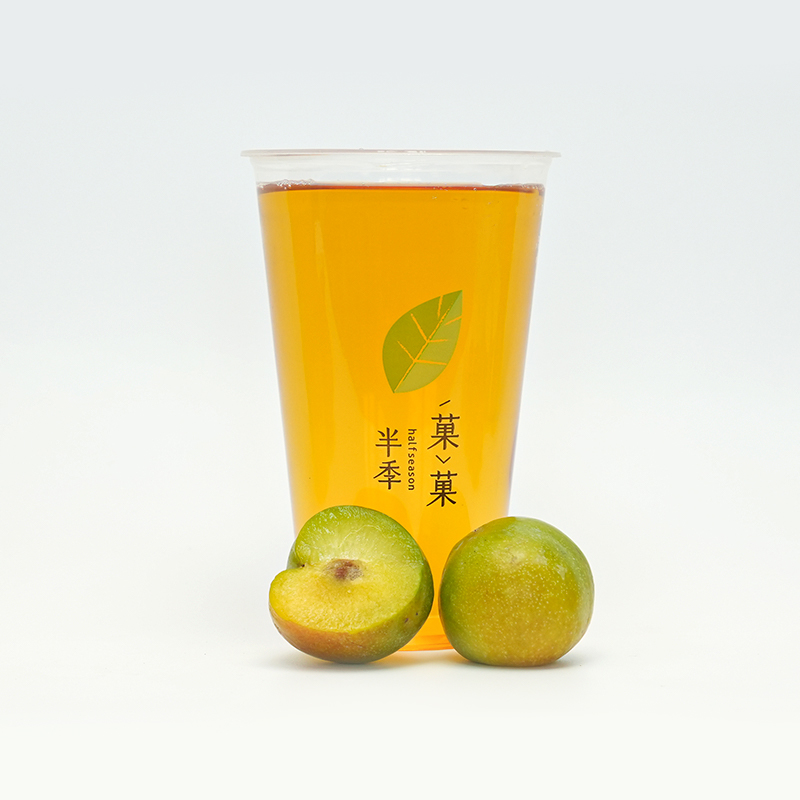
1 oz plastic cups (30 ml) are the smallest standard size and are used across foodservice, hospitality, and retail.
- —Condiment cups for ketchup, mustard, and sauces at fast-food outlets
- —Tasting and sampling cups at grocery stores or breweries
- —Medicine dispensing cups in healthcare and dental settings
- —Jello shot cups and liquor samples at bars and events
- —Typically sold in packs of 2,000–5,000 units at $0.02–$0.05 per unit wholesale
How much does a plastic cup cost?
Pricing varies by size, material, and order quantity. Here is a general wholesale pricing guide:
| Cup size | Material | 1,000+ qty | 5,000+ qty |
|---|---|---|---|
| 1 oz | PS/PP | $0.04–$0.06 | $0.02–$0.04 |
| 9 oz | PS/PP | $0.06–$0.10 | $0.04–$0.08 |
| 12 oz | PET | $0.08–$0.14 | $0.06–$0.10 |
| 14 oz | PET | $0.10–$0.16 | $0.07–$0.12 |
| 16 oz | PET | $0.12–$0.18 | $0.08–$0.14 |
| 32 oz | PET/PP | $0.18–$0.28 | $0.13–$0.22 |
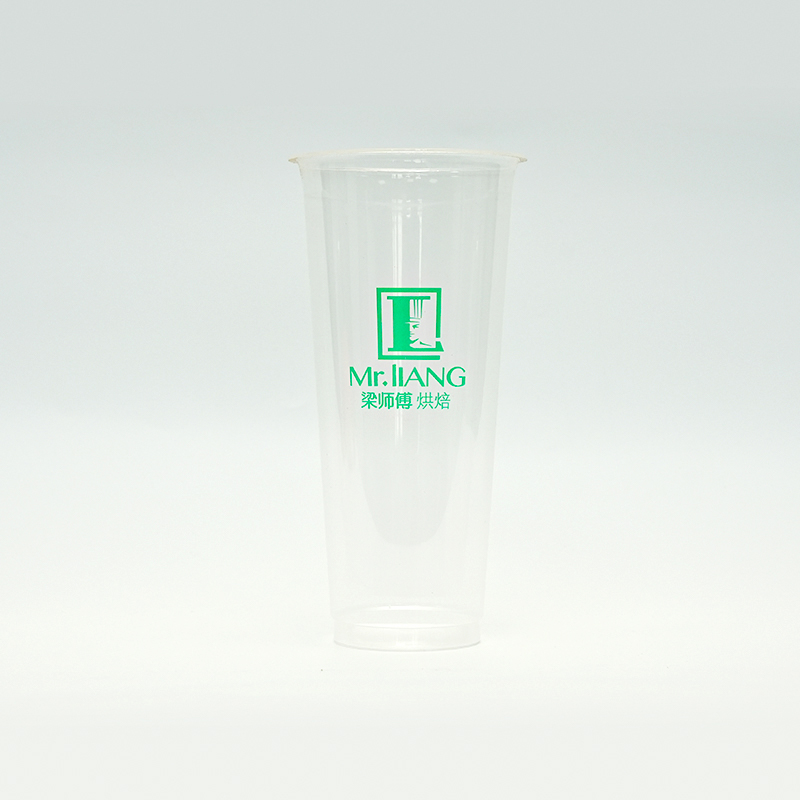
Prices are higher for custom-printed cups, compostable PLA materials, or FDA-certified food-grade materials. For volumes over 10,000 units, always request a direct factory quote.
Where to buy plastic cups for your business
Key sourcing channels
- —Restaurant supply stores – e.g., Webstaurant Store, Restaurant Depot
- —B2B e-commerce platforms – Alibaba, Global Sources for bulk factory orders
- —Direct manufacturer sourcing – factories in China, Vietnam, and the US
- —Local packaging distributors – smaller MOQs and faster delivery
What to look for when buying
- —FDA food-grade certification for cups in contact with beverages
- —BPA-free labeling, especially for PET and PC materials
- —Compatible lid availability (dome, flat, vented)
- —MOQ – most factories require 5,000–50,000 units per SKU
- —Lead time – typically 15–45 days for custom orders from overseas
How are plastic cups manufactured?
Most plastic cups are made through one of three main manufacturing processes, depending on material and design requirements:
Injection molding
Molten PP or PS resin is injected into a mold under high pressure, producing thick-walled, reusable cups with precise dimensions. Ideal for tumblers and branded takeaway cups rated for 0–95°C.
Thermoforming
A flat PET or PP sheet is heated, then shaped over a mold using vacuum or pressure — the most common process for disposable clear PET cups. Industrial lines can produce 60,000–100,000 cups per hour.
Blow molding
A heated plastic preform is inflated inside a mold. Less common for standard cups but used for specialty shapes and water bottles.
PET lids: styles, uses, and benefits
PET lids are the most common lid type paired with clear plastic cups. They come in several styles suited to specific use cases:
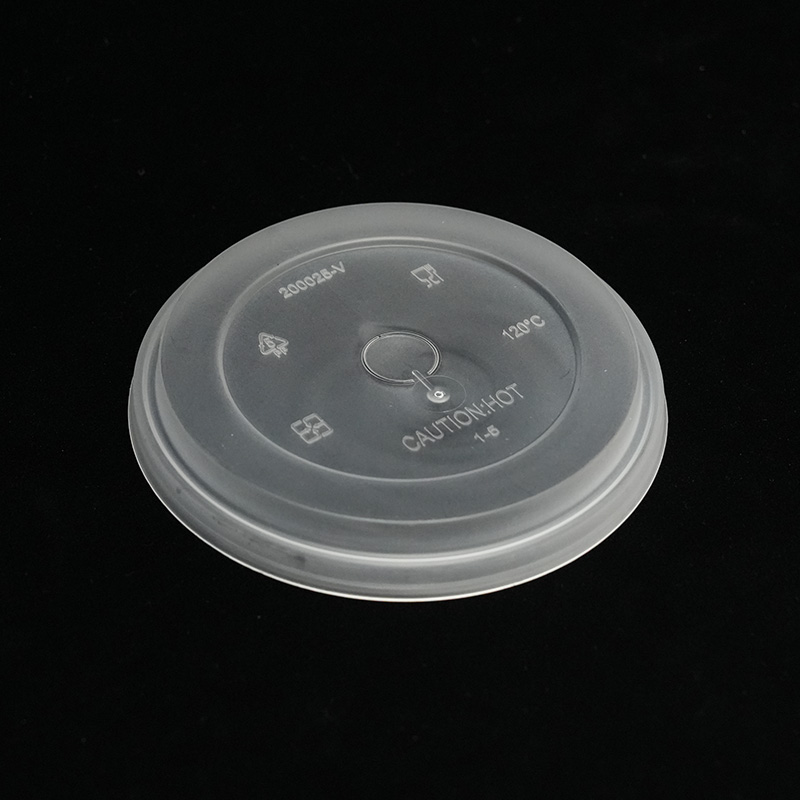
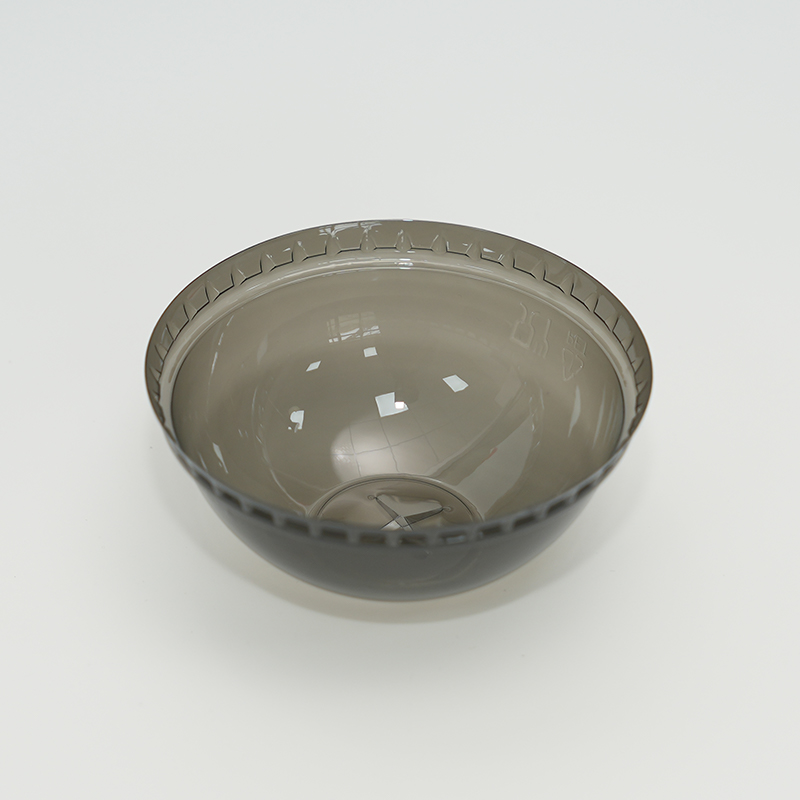
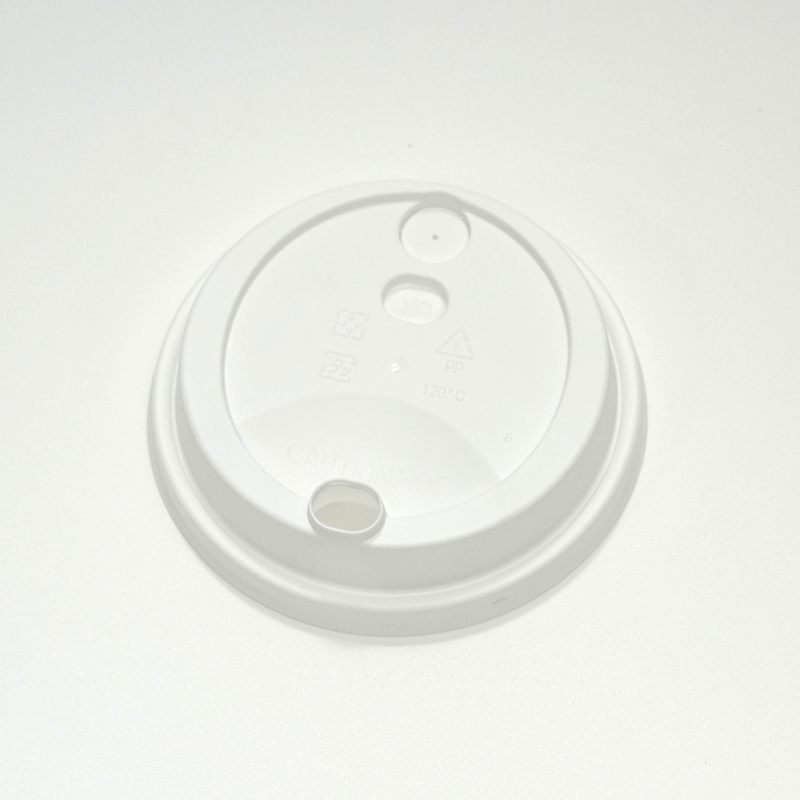
Key benefits of PET lids
- —Crystal clarity – customers can see the drink, enhancing presentation
- —Lightweight yet rigid – typical lid weight is 2–5 grams
- —Food-safe and BPA-free when certified to FDA or EU standards
- —Recyclable (resin code #1) in most recycling programs
- —Available in sizes from 3.5" to 5.5" diameter to match cup rims
FAQ about plastic cups
What is the most common plastic cup size?
The 16 oz (473 ml) cup is the most widely used in foodservice — the default "large" at most QSRs and coffee chains.
What material is best for cold drinks?
PET is the top choice — crystal clear, shatter-resistant, and food-safe for cold use. PP handles both cold and hot (up to 120°C / 248°F).
Are plastic cups recyclable?
PET and PP cups are technically recyclable in most programs. PLA (bioplastic) requires industrial composting — do not place in standard bins.
How do I match lids to cups?
Compatibility is determined by the cup rim diameter, not volume. A 12 oz and 16 oz cup from the same brand often shares a lid if both rims are 3.5" or 4.0".
What is the minimum order for custom-printed cups?
Most manufacturers require a minimum of 5,000–10,000 units. Setup/plate fees typically range from $100–$400 per color.
Can plastic cups be used for hot beverages?
Standard PET cups are NOT suitable for hot drinks — they soften above 60°C (140°F). Use PP cups (rated to 120°C) or coated paperboard for hot drinks.
How many cups come in a case?
Smaller cups (1–5 oz): 2,000–5,000 per case. Larger cups (16–32 oz): 200–500 per case. Always verify with your supplier.