


 English
 Español
 عربى
A bubble tea container is a matched cup, lid and straw system, and the cup and lid should be bought as a pair, by rim diameter rather than by volume alone. Most leak complaints in bubble tea shops trace back to a 90 mm cup paired with a 95 mm lid, or to a thin-walled cup that flexes when the lid is pressed down.
Fix the cup-to-lid pairing first. Everything else, from the straw bore to the printing and the carton count, is easier once that one interface is settled. The order that works in real procurement is: drink temperature, cup material, rim size, lid geometry, straw bore, then decoration.
What Is a Bubble Tea Container, Exactly?
A bubble tea container is a wide-bore drink cup, usually 500 ml or 700 ml, closed with a snap-fit lid and drunk through a straw wide enough to pass tapioca pearls. Four parts decide whether it works: the cup body, the rim, the lid, and the straw.
- Cup body: PET for iced drinks because it stays glass-clear, or PP (injection moulded or blister formed) when the drink is filled warm or hot.
- Rim: the sealing surface. 90 mm and 95 mm are the two common diameters in the boba trade, with 98 mm used for large-format cups.
- Lid: flat, dome, ball dome, direct-drink, or a one-piece leakproof design, with or without a straw slot.
- Straw: 12 mm bore for standard pearls, 15 to 16 mm for large pearls, jelly or pudding toppings.
Some operators seal the cup with film instead of a lid, but that removes the straw-slot convenience most bubble tea counters rely on, so lids remain the default for this category.
PET, PP or PLA: Which Cup Material Fits Your Menu?
Choose the material from the drink temperature, not from the product photo. PET is the cheapest route to a visually striking layered drink but softens with heat and should never take a hot fill. PP handles hot liquid and is the safer choice for warm milk tea. PLA supports a compostable claim, but only inside an industrial composting stream, and it dislikes heat.
| Material | Heat behaviour | Clarity | Typical drinks | Procurement note |
|---|---|---|---|---|
| PET | Cold only; deforms with hot fill | High transparency | Iced fruit tea, cold brew, layered drinks | Run a cold-crack check before approving |
| PP, injection moulded | Takes hot fill | Good, slightly hazy | Hot milk tea, warm toppings | Thicker wall; verify lid snap force |
| PP, blister formed | Takes hot fill | Medium | Hot drinks, high-volume cost control | Lighter wall; test rigidity under load |
| PLA | Low heat tolerance | Good | Cold drinks with a sustainability claim | Confirm composting certification wording |
| Coated paper | Hot and cold | Opaque | Hot takeaway with brand printing | Hides the drink layers; straw hole punched |
Food-contact compliance is a separate question from material choice. The specific requirements the plastic cup industry must meet, from raw-material grades to migration testing, are worth reading before you approve a sample batch.
Which Lid Type Stops Leaks Without Slowing Service?
For delivery-heavy menus, a one-piece leakproof lid with a sealed straw hole beats any dome lid; for dine-in, a ball dome sells the drink better. Decide per sales channel, not per shop.
| Lid type | Headroom | Best for | Relative leak risk |
|---|---|---|---|
| Flat lid | None | Film-sealed cups, short drinks | Low when the rim matches |
| Dome lid | Medium | Cream tops, fruit cups | Medium at the straw slot |
| Ball dome | Tall | Boba with cream, visual appeal | Medium to high if the courier tips the bag |
| Direct-drink lid | None | Straw-free service | Low, provided the hinge seats flat |
| One-piece leakproof | Low to medium | Rider delivery, busy counters | Lowest |
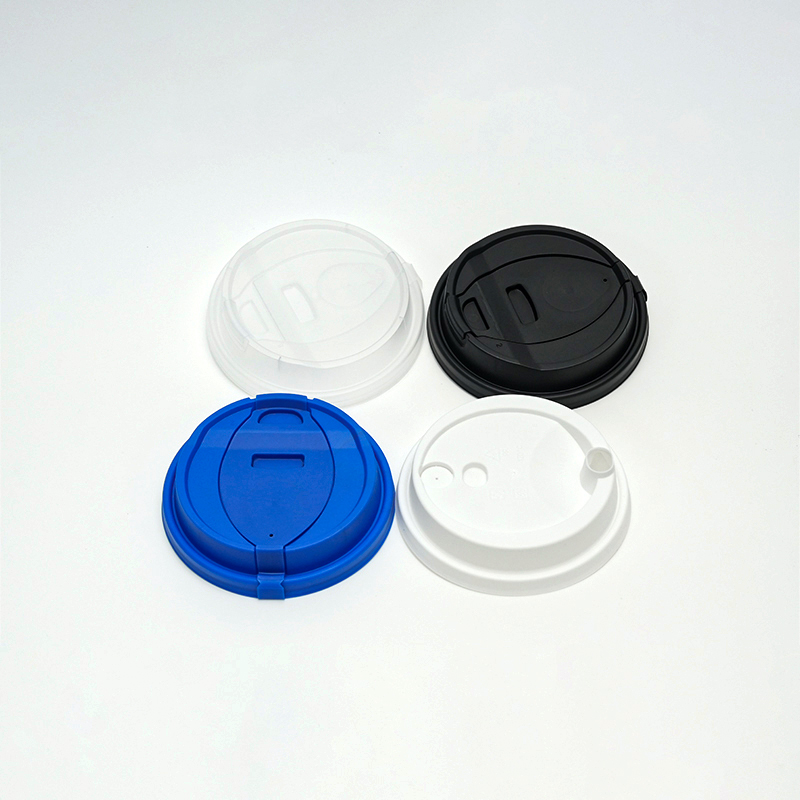 Patented One-Piece Leak-Proof Cup LidAvailable in 80 mm and 90 mm sizes, this one-piece lid is worth checking for leak-resistant beverage carrying and delivery use.View Product →
Rim Diameter, Tolerance and the Snap That Holds
A lid only seals when three dimensions agree: rim outer diameter, rim curl profile, and cup wall thickness. A drift of 0.2 mm on the rim is enough to feel loose on the press and wet on the carry.
- Measure rim outer diameter on ten cups drawn from three separate cartons, not from a single sleeve.
- Press the lid on a filled cup, not an empty one; liquid load changes how the wall flexes.
- Tilt the closed cup to 45 degrees and hold for 30 seconds along the seam.
- Drop-test from around 80 cm, since that is roughly bag height when a rider dismounts.
- Keep cups and lids from one supplier together; interchanging brands is the most common cause of loose fits.
If two suppliers quote the same 90 mm figure, check the curl profile drawing before assuming the parts are interchangeable.
Straw Bore and Material: The Smallest Decision With the Biggest Complaint Rate
A 12 mm bore handles standard tapioca, while large pearls and jelly need 15 to 16 mm; a straw that is too narrow turns a good drink into a clogged one. Length follows one rule: cup height plus 3 to 4 cm, so the straw stands clear of the lid.
On material, PLA straws feel like plastic to the customer but need industrial composting to break down, and paper straws suit shorter drinks at a lower unit cost but soften after roughly half an hour in liquid.
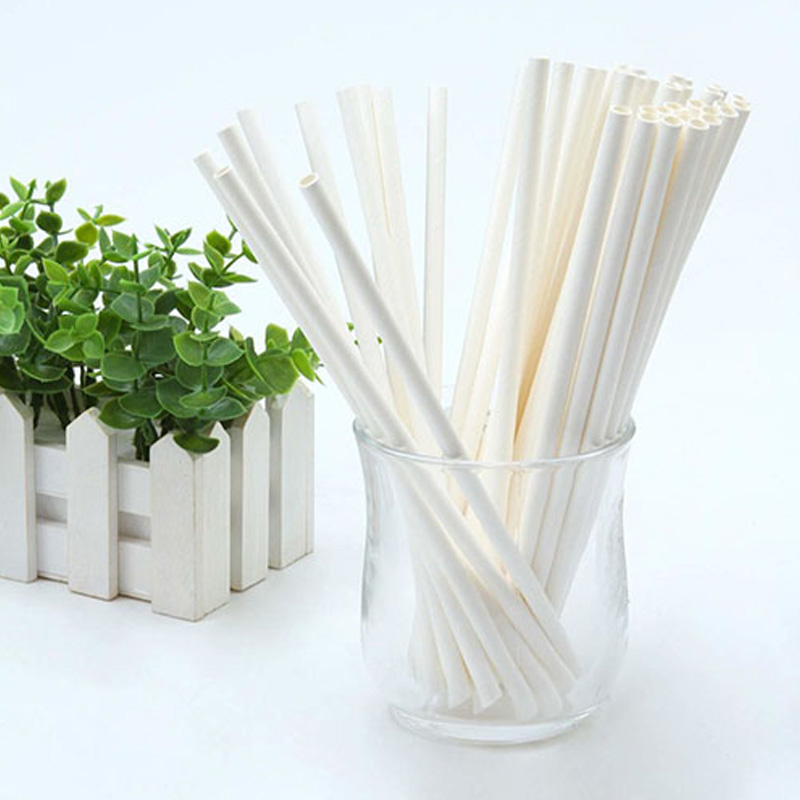 Customizable Biodegradable PLA Drinking StrawsBPI-certified PLA straws in multiple diameters and lengths, with paper wrapping and custom branding for beverage shops seeking biodegradable alternatives.View Product →
A Practical Ordering Checklist
Run these six checks before releasing a purchase order; each one has stopped at least one bad shipment somewhere in the trade.
- Confirm the drink temperature range for every SKU, then lock the cup material.
- Measure rim outer diameter on samples from at least three production batches.
- Press-test lids on filled cups and repeat after ten minutes in a warm bag.
- Compare sleeve and carton counts against your shelf height and storage space.
- Request food-contact documentation with the sample, not after the order is placed.
- Run one real delivery route in your own bag before scaling the order.
Bubble Tea Container Questions Buyers Ask
The same five questions come up in nearly every sampling conversation, so they are worth answering before the first call.
Can a 95 mm lid fit a 90 mm cup?
No. The snap ring cannot seat across a 5 mm gap, and the failure usually appears only once the cup is filled and tilted.
Is PET suitable for hot milk tea?
No. PET softens with hot fill and can distort or crack at the rim; use PP injection moulded or blister cups above roughly 60 degrees Celsius.
Which cup size do most shops standardise on?
700 ml with a 90 mm rim is the most common single size, with 500 ml covering smaller serves. Keep one rim diameter across the menu so lids stay interchangeable.
Do delivery and dine-in need different lids?
Usually yes. One-piece leakproof lids suit riders, while dome or ball dome lids support cream toppings and the visual appeal of in-store drinks.
How many samples should I test?
Pull at least ten cups and ten lids from three separate cartons, then run press, tilt and drop tests on each group.
Matching Cups, Lids and Straws With One Supplier
TOPCUP, operated by Yuqian Packaging Technology (Jiangsu) Co., Ltd., has produced food packaging in Taizhou, Jiangsu since 2010 and added a Shanghai branch in 2019. Documentation includes QS, ISO 9001, BRC, DIN and ROHS, and the range covers PET and PP cups, patented leakproof lids, takeaway bowls, and PLA or paper straws, alongside a customization and design service for printed work.
If you need matched cup-and-lid samples measured against your own drink menu, send the specification through our contact page and we will quote against the rim size you actually use.




