


 English
 Español
 عربى
عربىContent
Imagine locking in a supplier for 100,000 custom disposable plastic cups, only to find that the cups soften when a customer holds hot tea, the lids pop off inside a delivery bag, or the logo looks faded before the first case is even sold. Every beverage brand that has lived through this cycle learns the same lesson: a custom cup is an engineered component, not an off-the-shelf afterthought. The material, wall thickness, lid compatibility, print method, and factory certification all change the final product. This guide walks through those decisions so you can order with confidence, avoid costly rework, and choose cups that protect your brand rather than damage it.
- Bubble tea shops 35%
- Coffee chains 25%
- Takeaway meals 22%
- Events and catering 12%
- Other retail 6%
Figure 1. Illustrative end-use mix for custom disposable plastic cup orders.
Material First: Matching the Cup Polymer to Your Drink
The first rule of sourcing is simple: choose the cup material based on serving temperature, the clarity your brand needs, and your target unit cost. For most custom programs, PP injection-molded cups deliver the best balance of stiffness, heat tolerance, and print surface. PET cups win when cold drinks and glass-like clarity dominate the decision. Thermoformed PP blister cups offer a lighter, more economical option for high-volume events and short campaigns.
Food-grade polypropylene (PP) is the workhorse of the industry. Injection molding compresses the polymer into a dense, rigid wall, so the cup holds its shape when filled with warm milk tea or iced coffee and resists cracking when stacked or dropped. PET has brilliant transparency and handles low temperatures well, but its heat tolerance is lower, which makes it a poor fit for hot-fill applications. The table below summarizes how the three options compare in everyday service.
| Material | Forming process | Heat tolerance | Cold tolerance | Clarity | Best suited for |
|---|---|---|---|---|---|
| PP injection-molded | Injection molding | About 110–120°C | Good | High | Hot and cold milk tea, coffee, smoothies |
| PP blister | Thermoforming | About 90–100°C | Good | Medium | Cold drinks, events, catering |
| PET | Injection or stretch | About 60–70°C | Excellent | Very high | Cold beverages, smoothie bowls, water bars |
Figure 2. Typical maximum service temperature by cup material and forming process.
Which one should you choose? If your menu includes both hot and cold drinks and you want a cup that feels substantial, start with custom PP injection-molded cups. If your program is cold-focused and visual clarity is part of the experience, low-temperature-resistant PET plastic cups will usually serve you better.
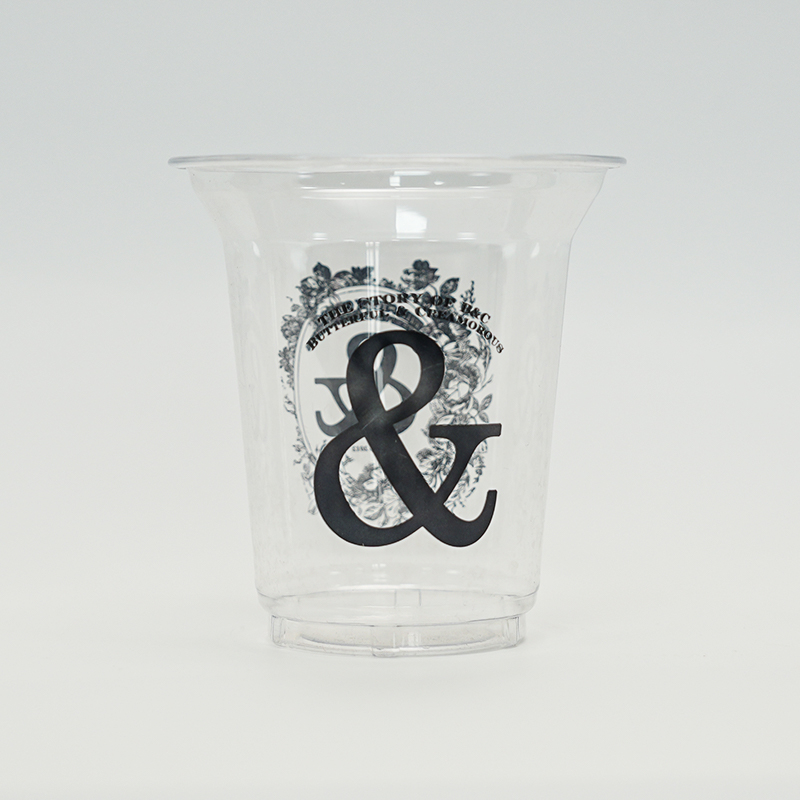 OEM Low-Temperature Resistant PET Cup ManufacturerAs a China OEM low-temperature resistant PET cup manufacturer and factory , Yuqian Packaging Technology (Jiangsu) Co., Ltd professional l...View Product →
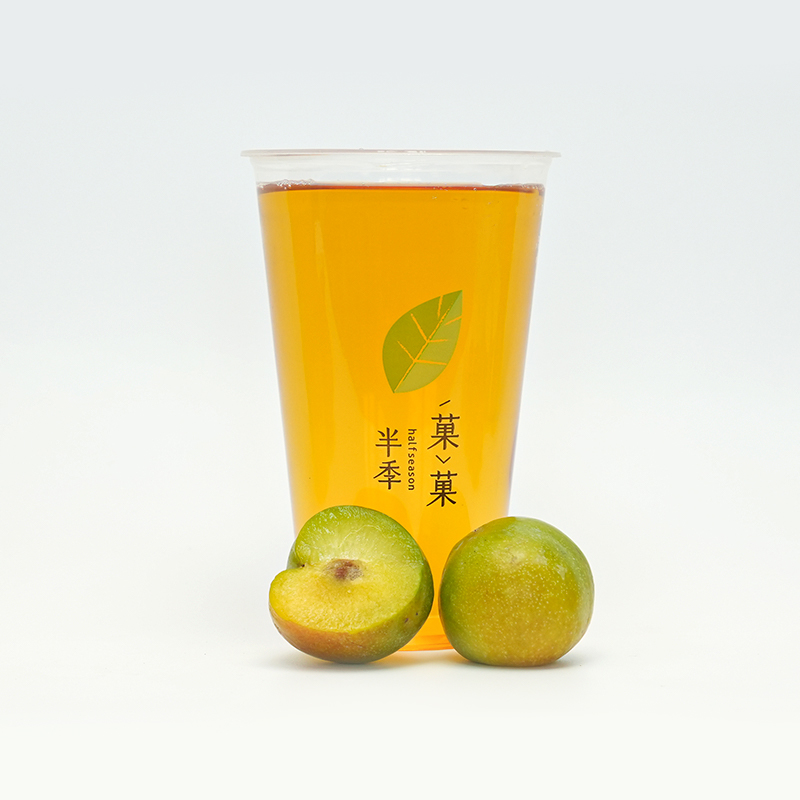 Custom PP injection cup Manufacturer, OEM/ODM Factory - Yuqian Packaging TechnolYuqian Packaging Technology Co., Ltd is China custom PP injection cup manufacturer and PP injection cup OEM/ODM factory,Product name: PP ...View Product →
Customization That Works: Sizing, Printing, and Lid Fit
A custom cup is more than a logo printed on a cylinder. The details your customers notice are structural: how the rim feels, whether the lid clicks into place, and whether condensation drips onto the table. Before approving a design, review these points with your supplier:
- Cup size and rim diameter: Most programs run from 7oz to 24oz. The rim dimension determines lid compatibility, so keeping one lid system across multiple sizes reduces inventory and simplifies storage.
- Wall thickness: Thicker walls add stiffness and a more insulated feel, but they raise the cost per unit. Match the wall to the drink temperature and the delivery distance.
- Print area: A generous flat sidewall gives you room for one or two spot colors or a full-wrap design. Keep critical text away from the bottom taper where distortion is most visible.
- Lid design: A leak-resistant lid with a reinforced rim and a raised sealing ridge substantially reduces delivery complaints.
Lid failures are the leading source of customer complaints in beverage delivery, especially with hot drinks where pressure changes inside the cup. We recommend testing the lid and cup as a pair before committing to a full run. Many brands adopt patented leakproof thickening plastic cup lids to eliminate the so-called coffee-in-the-bag problem and keep the seal intact during transit and stacking.
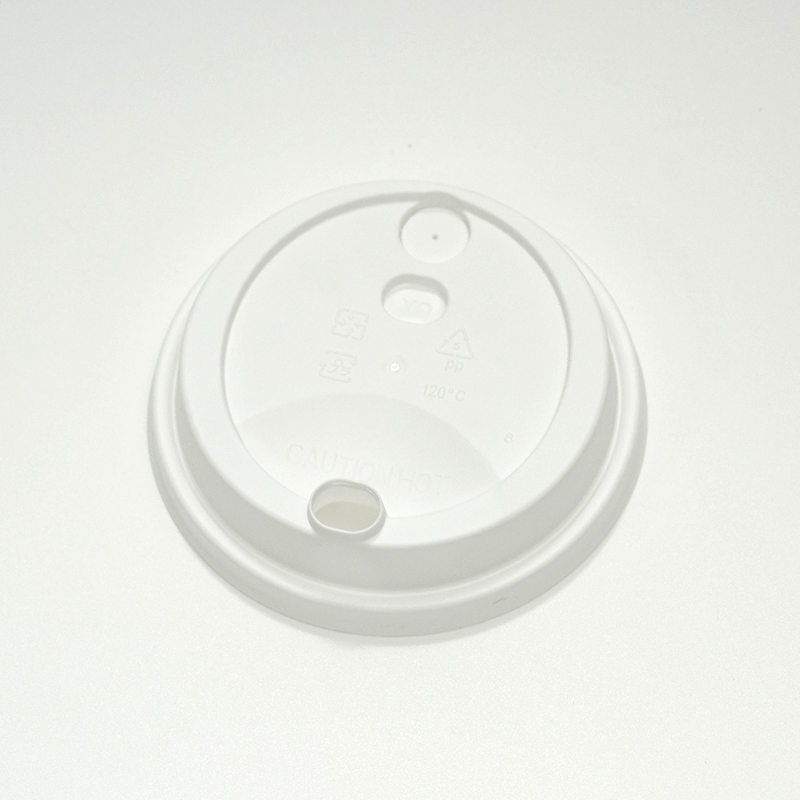 Custom Patented leak-proof thickening plastic cup lid Manufacturer, OEM/ODM FactYuqian Packaging Technology Co., Ltd is China custom Patented leak-proof thickening plastic cup lid manufacturer and Patented leak-proof ...View Product →
Food Safety Standards to Demand from a Cup Supplier
Because disposable cups touch food and beverages directly, certification is not paperwork; it is evidence of controlled raw materials, clean production, and predictable chemistry. When you evaluate a factory, look for QS food production licensing, ISO 9001 quality management, BRC certification, German DIN certification, and EU RoHS+ testing. Together, these indicate that the manufacturer can control contamination risks at scale, not just in a sample batch.
Ask for migration and food-contact test reports rather than accepting a logo on a website. Also confirm which raw-material grade is used and whether the supplier can trace it back to the resin batch. The food safety requirements for plastic cup manufacturing are explained in more detail on our industry news page.
This matters far beyond compliance. A cup that fails migration testing can leach residual substances into a beverage, while a cup that passes gives your quality team one less variable to manage when you scale from a sample to a full production run.
What to Ask Before Placing Your Custom Cup Order
The right questions can save weeks of delay and thousands of dollars in rework. When we talk with beverage brand owners, we recommend covering at least five points in the first conversation:
- What is the MOQ per size and per print design?
- How long do samples take, and how many rounds of print proofing are included?
- What is the production lead time for an order of 50,000 to 250,000 cups?
- Does the factory check color consistency and rim dimensions before shipment?
- How are the cups packed and palletized to feed your filling line efficiently?
When a supplier answers these clearly, you can plan launches with confidence instead of guessing. If you already have a launch date and want to lock down sample timing and production capacity, tell us your project requirements and our team will confirm availability.
Frequently Asked Questions
What is the MOQ for custom printed disposable cups?
Minimum order quantities depend on cup size, forming process, and print colors. As a planning guideline, most beverage brands budget for several tens of thousands of pieces per SKU because tooling setup and print plate charges are spread across the run. Ask your supplier for a SKU-by-SKU MOQ before finalizing your pricing.
Can PET cups hold hot drinks?
No. PET has a lower heat tolerance than PP, so hot liquid can soften the wall and distort the rim. For hot tea, coffee, or soup, choose PP injection-molded cups, and reserve PET cups for iced drinks and cold-serve programs.
Are custom disposable plastic cups recyclable?
PP and PET can be recycled where the right collection streams exist. Many buyers also pair their cups with PLA biodegradable straws or paper straws to support plastic-reduction policies. Confirm the recycling labels with your supplier and check local waste guidelines.
How long does production take?
Samples usually take 5 to 10 days, including a print proof. Production runs typically take 15 to 30 days depending on order volume, number of colors, and factory load. Seasonal peaks can extend lead times, so order early if your launch window is fixed.
Can you print a full-wrap design on the cup?
Yes, a full-wrap print is possible, but the taper of the cup wall, the number of colors, and the print method affect the final result. We recommend a pre-production proof so you can verify color match and registration before the full run starts.




