


 English
 Español
 عربى
عربىContent
- 1 Which Straw Material Fits Your Drink
- 2 Matching Straw Diameter and Length to the Cup
- 3 Straws Rarely Work Alone: Pairing With Cups, Lids and Bowls
- 4 Featured Products From Our Straw and Cup Range
- 5 Compliance Points Buyers Check Before Ordering
- 6 Questions to Ask an OEM Straw Supplier
- 7 Common Questions About Disposable Straws
The right disposable straw comes down to three fixed variables: what liquid it will carry, how hot or cold that liquid is, and which packaging rule applies in your market. For cold drinks under 5°C, a 6mm PLA straw or a food-grade PP straw performs best. For hot beverages above 60°C, a paper straw or a thick-wall PP straw resists softening, while thin PLA straws are not recommended above 45°C. Matching the straw material, wall thickness and diameter to the drink first, then choosing the cup and lid that pair with it, prevents leaking, bending and customer complaints.
Which Straw Material Fits Your Drink
Three materials cover almost every foodservice order: PLA (polylactic acid), paper, and conventional food-grade plastic such as PP. Each behaves differently once it sits in liquid for more than a few minutes, which is the real test a straw has to pass.
A useful rule for buyers: if a drink sits on a counter for more than 20 minutes before it is finished, avoid thin PLA. It starts to soften once wall thickness drops below 0.3mm in liquid above 40°C, which is why bubble tea shops order thicker 0.35 to 0.4mm PLA straws for wide-bore drinks with tapioca pearls.
Matching Straw Diameter and Length to the Cup
Diameter and length are not cosmetic choices, they determine flow rate and whether the straw actually reaches the bottom of the cup. A straw that is 10mm too short leaves the last third of a drink undrinkable.
Beverage chains that switched from a fixed 8mm straw to a matched 6mm and 10mm two-size system reported fewer customer refills caused by slow flow on thin drinks and fewer clogging complaints on bubble tea, based on supplier order data reviewed across mixed drink menus.
Straws Rarely Work Alone: Pairing With Cups, Lids and Bowls
A straw is only as good as the container it enters. Buyers who source straws separately from cups often end up with mismatched openings, so it helps to plan the straw hole size against the lid at the same time.
- An injection moulded cup keeps a fixed rim diameter across every batch, so a straw slot punched into its matching lid stays consistent, unlike thermoformed cups where rim tolerance can drift.
- A PP cup handles hot fill up to roughly 100°C, which makes it the practical partner for a paper straw rather than a PLA one.
- A low-temperature resistant PET cup is built for iced drinks and stays clear and rigid in the 0°C to 5°C range, pairing naturally with a 6mm or 10mm PLA straw.
- A PP bowl used for soups or noodle broths can take a wide-bore straw or spoon-straw combination when the menu calls for sippable broth service.
Featured Products From Our Straw and Cup Range
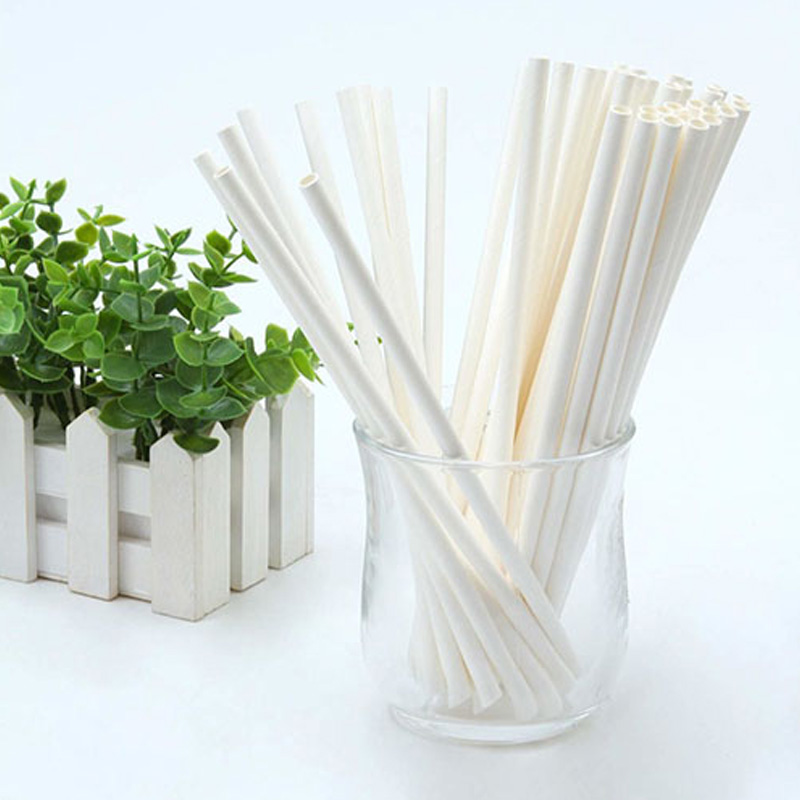
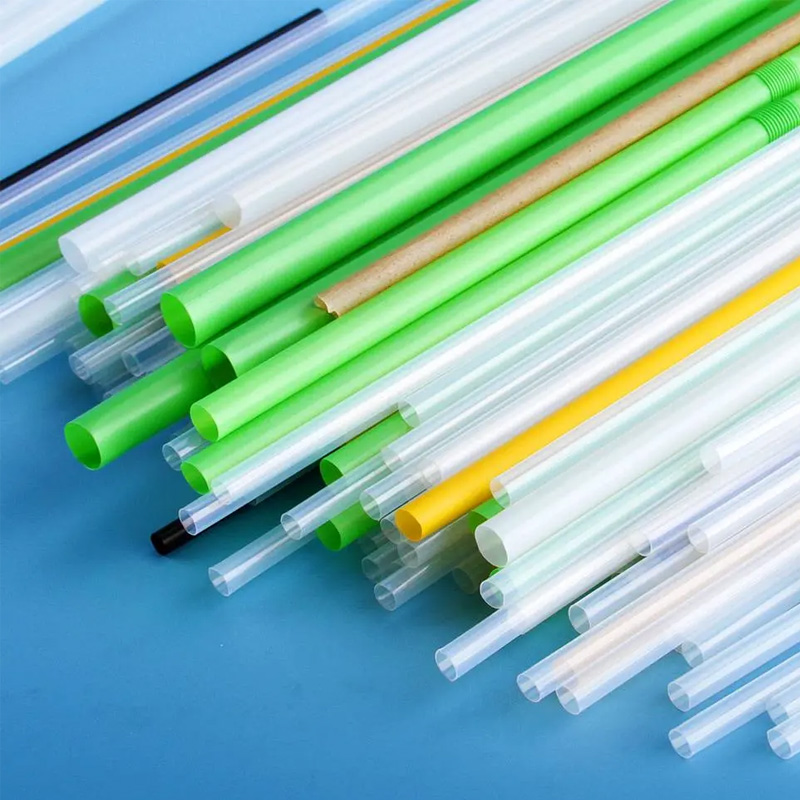
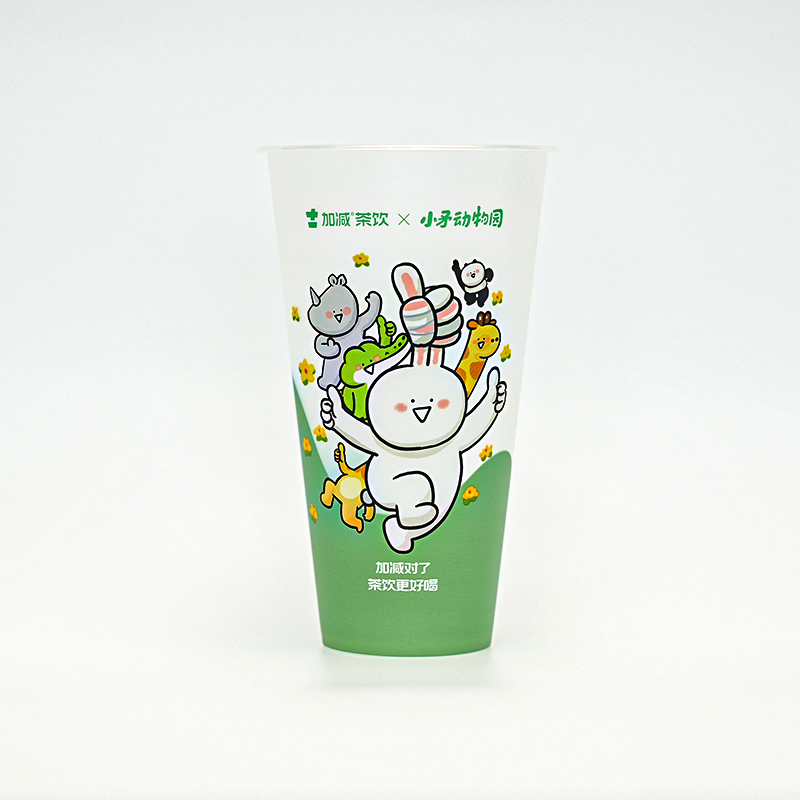
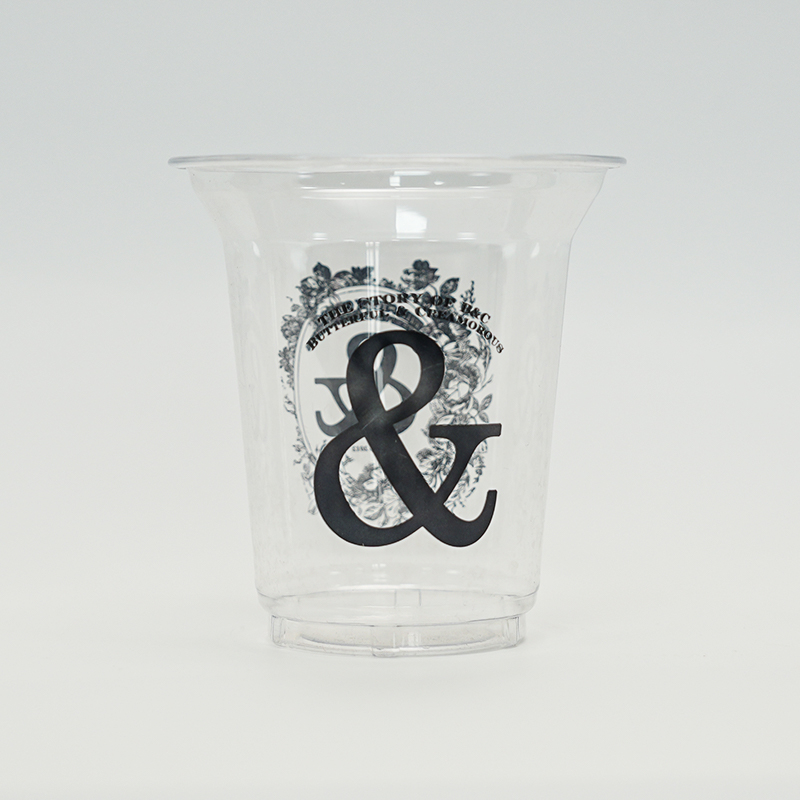
The lineup below groups our most-ordered straw and drinkware items so foodservice buyers can source matched sets in one purchase order.
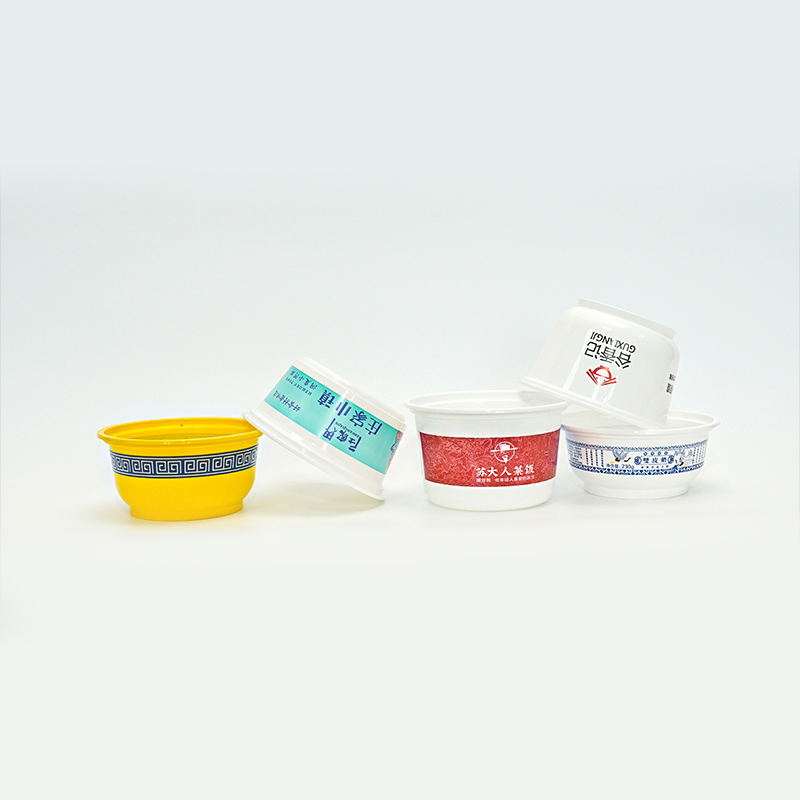
Straw and Drinkware Collection
Five core items covering PLA and paper straws alongside their most compatible cups and bowls.
Compliance Points Buyers Check Before Ordering
Straw regulations vary sharply by region, and the material decision above should be checked against local rules before a bulk order is placed.
- Confirm whether single-use plastic straws are restricted in your market; several regions permit PLA and paper as compliant alternatives while banning standard PP straws for dine-in service.
- Ask for food-contact certification such as FDA or EU food-contact compliance documents, not just a general material safety sheet.
- Check individual wrapping options; paper-wrapped straws add cost but are required by some retail and airline contracts.
- Request a moisture-resistance test result for paper straws if your average serving time exceeds 30 minutes, since some paper straws start losing rigidity around the 40-minute mark in cold drinks.
Questions to Ask an OEM Straw Supplier
What is the minimum order quantity per diameter and print color?
Custom-printed straws usually carry a higher MOQ than plain stock straws, so confirm pricing tiers before locking in artwork.
Can wall thickness be adjusted for wide-bore drinks?
A supplier who can move wall thickness from 0.3mm to 0.4mm on request avoids softening issues on syrupy or hot-fill drinks.
Are cup, lid and bowl items available from the same production line?
Sourcing an injection moulded cup, a matching lid and a straw from one factory reduces shipping cost and keeps rim tolerances consistent.
What certifications ship with each batch?
Ask for ISO 9001 and food-contact test reports attached to the shipment, not just available on request after delivery.
Common Questions About Disposable Straws
Do PLA straws work in hot drinks?
Not reliably above 45°C. PLA softens as temperature rises, so it is best kept for iced and room-temperature drinks, while paper or PP straws handle hot coffee and tea.
Why do some straws feel soggy before the drink is finished?
This is usually a wall-thickness or coating issue on paper straws, or a heat-mismatch issue when a thin PLA straw is placed in a drink above its rated temperature.
What straw diameter fits a standard injection moulded cup lid?
Most standard lids are punched for a 6mm to 8mm straw. Wide-bore lids for bubble tea are typically punched for 10mm to 13mm straws, so confirm the lid spec before ordering straws in bulk.




